Camphor (Cinnamomium camphora)
Laurel family
Plant description
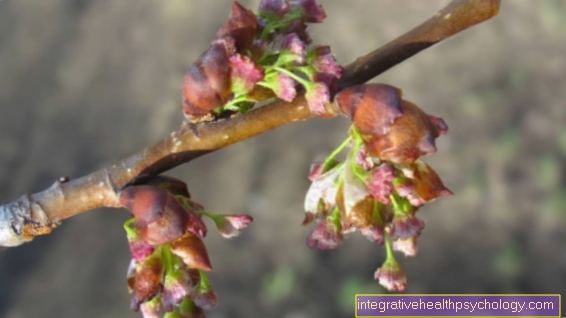
His home is China and Japan. Also grown in crops. The tree can reach a height of 30 m. It grows gnarled, the leaves elongated, elliptical, with downy hairs on the underside. The inconspicuous, yellowish to greenish flowers are arranged in long-stemmed, little-flowered panicles. From this, purple-red, almost black, fleshy fruits, egg-shaped to spherical, develop. They ripen in autumn.
Plant parts used medicinally
ly the lower trunk sections of older trees. They contain the most volatile oil. The trees are felled, chopped up, crushed and the essential oil is removed with water distillation.
Ingredients
Essential Oil (Ravintsara Oil)
Medicinal effect and application
Internal use of camphor is not in use except as a homeopathic remedy. Used earlier than Cardiac drugs and with cough. Today camphor is known, primarily as an alcoholic camphor extract, but also in ointments, as a means for rubbing in for muscle pain and rheumatic pain.
Combination with other medicinal plants
Camphor is often found in ointments together with rosemary oil, lavender oil and thyme oil.
Use in homeopathy
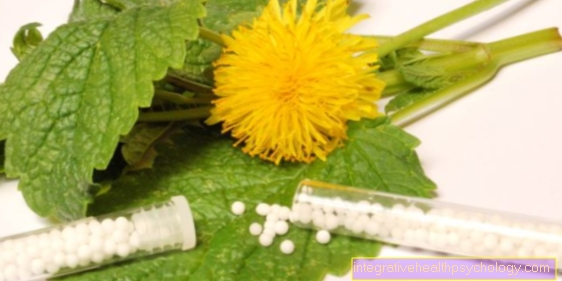
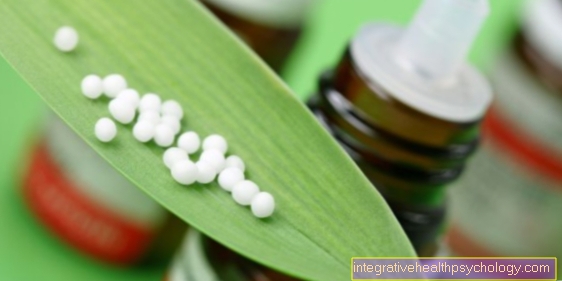
The remedy Camphora is used at Circulatory collapse With cold sweat, paleness and Blue discoloration of the skin. There is nausea, the pulse is small and barely palpable, the patient is terrified to death. In this case, 1 to 2 drops are placed directly on the tongue. Even with the flu with circulatory problems and great weakness. The symptoms worsen in the cold, through exercise and at night. Improvement after sweating. Usually in the potencies D3, D4, D6.
Side effects
Side effects can occur as soon as the camphor is concentrated on the skin. Burning and inflammation can occur.