meiosis
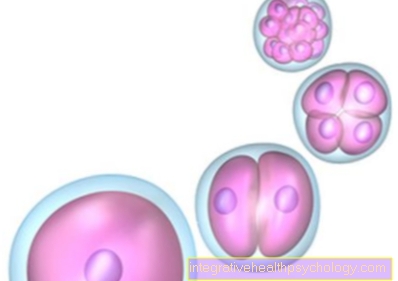
Meiosis is a special form of nucleus division and is also known as maturity division. It contains two divisions that turn a diploid parent cell into four haploid daughter cells.

Meiosis is a special form of nucleus division and is also known as maturity division. It contains two divisions that turn a diploid parent cell into four haploid daughter cells.
Cell plasma or cytoplasm is understood to mean the entire content of the cell with the exception of the cell organelles. The cytoplasm is an organic liquid that consists of proteins as well as water. It is used for nutrient transport, communication in
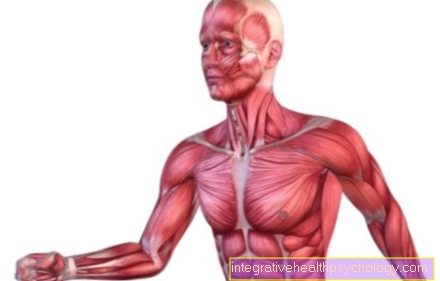
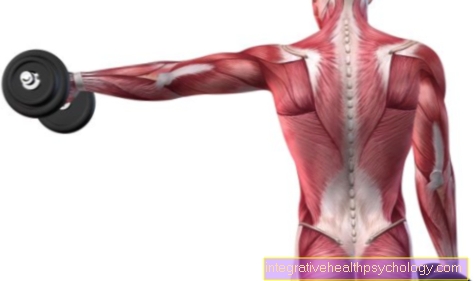
The chest muscles (M. pectoralis major and minor) originate in the chest and attach to the upper arm, so its contraction causes adduction, anteversion and internal rotation in the upper arm. Often its enlargement and refinement of the contours is sought
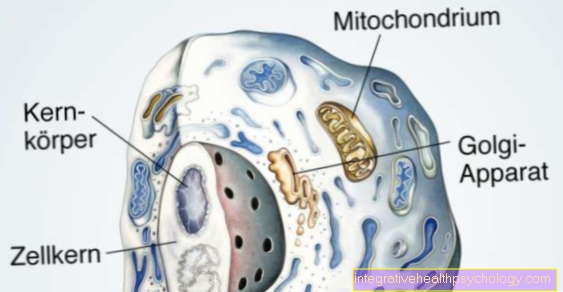
Mitochondria are cell organelles of the eukaryotes. They are also referred to as the "power plants of the cell" because they contain the complexes of the respiratory chain in their outer membrane, which, and therefore, do the main part of the ATP synthesis
Telomeres are part of every DNA. They are at the ends of chromosomes and in no case do they code for genes.
With chromosome mutations there are microscopically visible changes in the sequence of the genes on the chromosomes, which are caused by relatively large damage to the chromosomes. A distinction can be made between different forms of this type of damage. Chromosome mutations
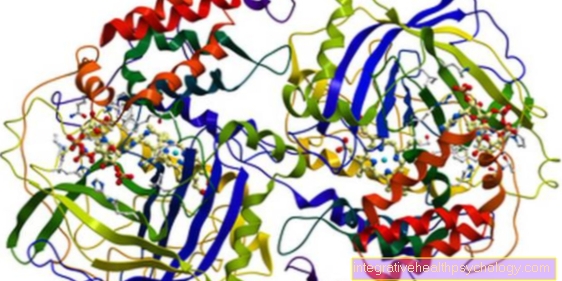
- your internal information portal. Here you will find information on the subject of the role of enzymes in the human body, clearly explained to laymen.
Carboxypeptidases cleave amino acids at the C-terminal end of the protein's polypeptide chain. They are therefore not only essential for the digestion of proteins, but also for their modification into the active form.
Each cell is surrounded by a cell membrane, a barrier that consists of a special double layer of fat particles, the so-called lipid double layer.
Alpha-galactosidase is an enzyme that belongs to the group of hydrolases. The enzyme occurs in all human cells and cleaves the alpha-D-glycosidic bond.
Kallikrein is an enzyme that can break down certain hormones. Important functions in which kallikrein is involved are blood clotting and the regulation of blood pressure.
Alpha-glucosidase is an enzyme that occurs in various sub-forms in all cells of the body. Their task is to split alpha-glycosidic bonds. This type of bond describes a form of connection between individuals
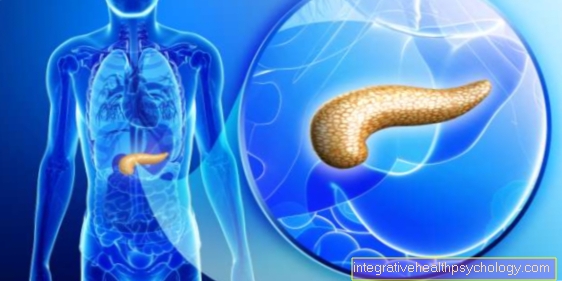
Trypsin is one of the digestive enzymes made in the pancreas. As soon as the inactive precursor enzyme trypsinogen is activated in the intestine, it can itself activate digestive enzymes which are responsible for the breakdown and absorption of proteins
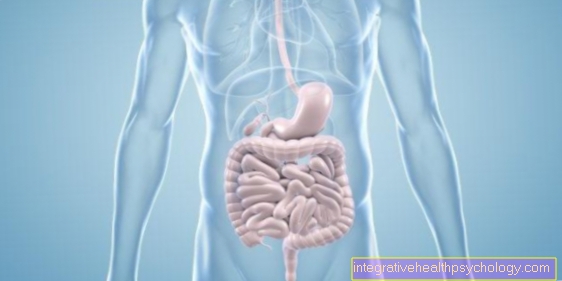
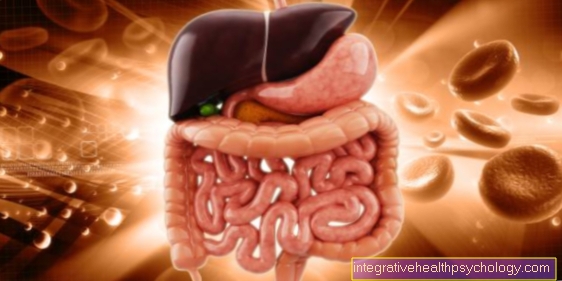
The internal organs generally include all organs that are located in the chest and abdominal cavity. No organ stands on its own, but is usually part of a system of several organs with similar functions. But all systems can too
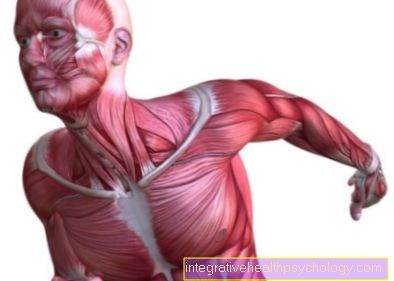
The large pectoral muscle (M. pectoralis major) arises over a large area on the chest, covers it completely and attaches to the upper arm. Its functions include adduction, anteversion and internal rotation of the upper arm. Exercising can increase its size
Lipase is an enzyme that can break down dietary fats and is therefore a major component in digestion. There are various sub-forms, of which the pancreatic lipase is the most important.
Trypsinogen is a precursor of the enzyme trypsin, which is released from the pancreas into the small intestine in order to break down food components - more precisely the amino acids - into small parts. Only then can they be absorbed by the body
Urea is a breakdown product of proteins. This is then excreted in the urine. If the value in the blood is low, this is usually harmless and indicates a low intake or an increased need for proteins. Mostly this is
Dr- - your medical information portal. Here you will find information on "Chymotrypsin - What is it important for?" explained in a layman's way.
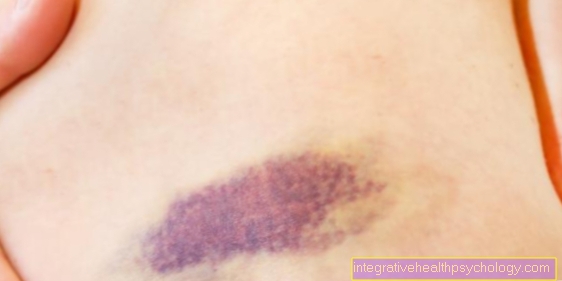
To put it simply, a hickey is a completely normal bruise or bruise that is created by a negative pressure when the partner is kissing.





.jpg)








.jpg)