Category : Anatomy-Lexicon

Thymus

Thymus

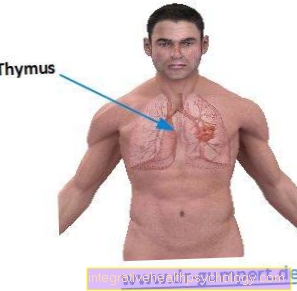
The thymus is located behind the breastbone and is one of the primary lymphatic organs. In the fetus, the thymus is extremely active, it prepares functional immune cells for their tasks. In the course of life, the thymus degenerates more and more

Endocrine system

Endocrine system

Hormones are the body's own messenger substances. The endocrine system is subject to complex controls, in which the smallest disturbance can have a major impact. The tasks of the hormones include the regulation of blood pressure, blood sugar and cell growth

Growth of eyebrows

Growth of eyebrows

Beautiful, thick eyebrows are a dream of every woman. The following article shows you how to accelerate or stop the growth of your eyebrows.

Testosterone deficiency

Testosterone deficiency

Testosterone is an important sex hormone that occurs in both men and women and has different effects on sexual development, sexual behavior and muscle building. Testosterone deficiency can be a variety of different ones

hypertrophy

hypertrophy

Hypertrophy describes the enlargement of an organ through cell growth. This effect is desirable during training because this is where muscle growth takes place. It is different with organs such as the prostate, where hyperplasia occurs in old age or as a result of a tumor

The scrotum

The scrotum

The scrotum consists of 6 layers and plays an important role in protecting the male sexual organs. In addition to this advantage, numerous diseases of the scrotum can also occur. How the scrotum is structured, what diseases

Urine color

Urine color

Every day the body produces one to two liters of urine. The amount depends on the fluid intake. The urine is usually clear and light yellow to colorless in color. The less you have drunk before, the more concentrated and yellowish it is

Function of the prostate

Function of the prostate

The function of the prostate is to produce a thin, milky and slightly acidic liquid that keeps the sperm alive in the ejaculate. If the hormone testosterone is deficient, it can lead to functional impairments

Vas deferens

Vas deferens

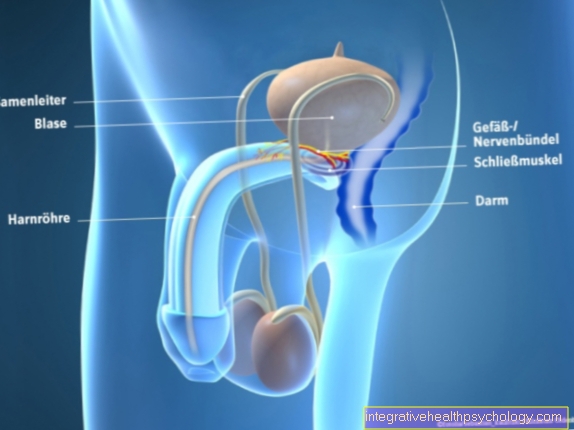
The sperm duct (ductus deferens) is a 40 cm long tube and is used to transport the sperm from the epididymis to the injection channel during an ejaculation. If it is severed during a vasectomy, the man will be sterilized

Lumbar spine (lumbar spine)

Lumbar spine (lumbar spine)

The lumbar spine (lumbar spine) is part of the spine. It usually consists of 4 to 5 lumbar vertebrae. The individual lumbar vertebra consists of a vertebral body (corpus vertebra), a vertebral arch (arcus vertebra), and a spinous process (processus

The bellybutton

The bellybutton

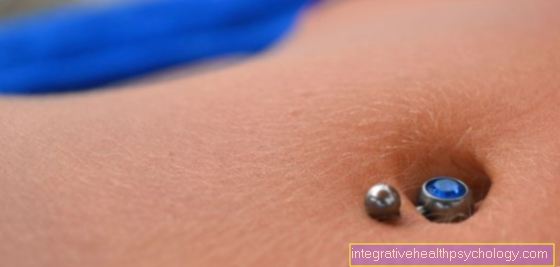
The belly button is located roughly in the middle of the abdomen and is a small indentation in the skin. It is a remnant of the umbilical cord, which in the fetus connects the child's blood circulation with that of the mother and thus the

Figure pelvic inflammation

Figure pelvic inflammation

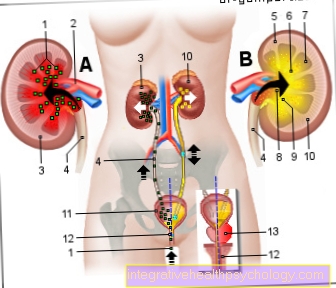
the medical table of figures. Here you will find helpful illustrations on the subject of renal pelvic inflammation.

Figure renal pelvis

Figure renal pelvis

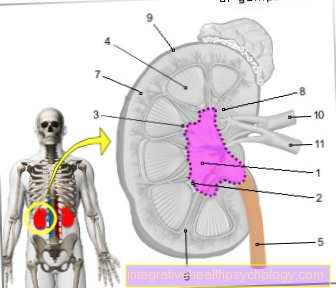
the medical table of figures. Here you will find helpful illustrations on the subject of the kidney pelvis.

epithelium

epithelium

Epithelium, also called covering tissue, is a type of tissue that lines most of the human organs. Epithelia look very different on different organs, as they are supposed to fulfill different functions. Tumors can also arise from epithelia

Uvula

Uvula

The uvula can be seen in the back of the palate when the mouth is open. It plays a vital role in speaking and swallowing. Diseases in the throat area can also affect the uvula.

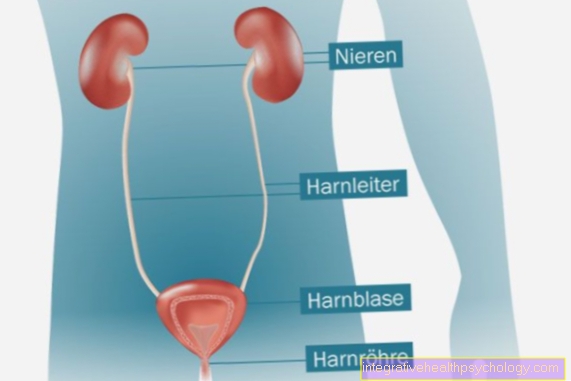
Lower urinary tract disorders

Lower urinary tract disorders

Pain and urinary tract disorders can have different causes. The most common diseases of the descending urinary tract include inflammation of the kidneys (pyelonephritis), kidney stones, cystitis and bladder cancer

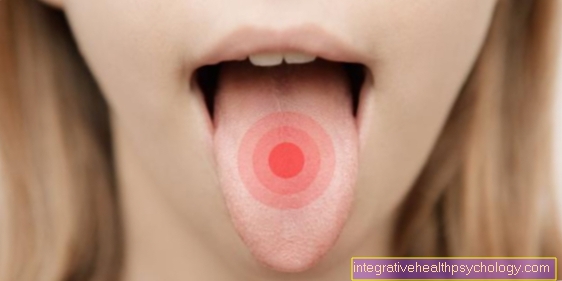
Big tongue

Big tongue

The reason for the increase in size is an increased accumulation of fluid in the tissue of the tongue, which in most cases is caused by inflammation.

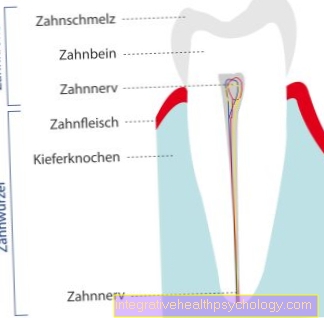
Tooth structure

Tooth structure

The human set of teeth contains 28, with wisdom teeth altogether 32 teeth. In general, it can be said that the teeth get bigger and bigger towards the back, because the rear teeth are responsible for the grinding, while the incisors are flat and pointed

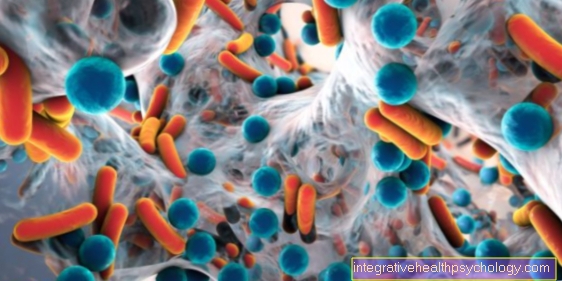
Staph infection

Staph infection

A staphylococcal infection is the penetration of the staphylococcus bacteria into the organism. Often an infection occurs through wounds.

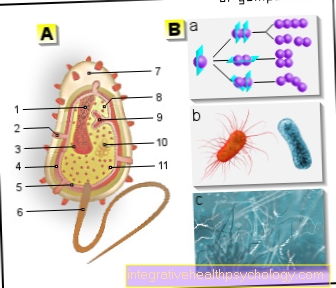
Illustration bacteria

Illustration bacteria

the medical table of figures. Here you will find helpful illustrations on the subject of bacteria.