Category : Anatomy-Lexicon

Fingertip

Fingertip

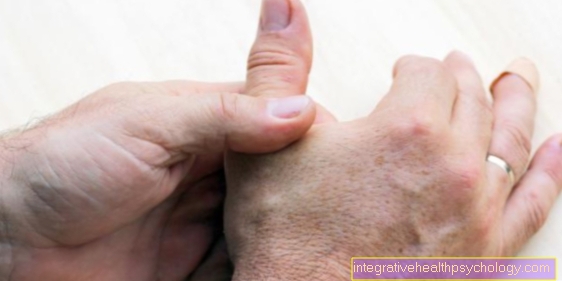
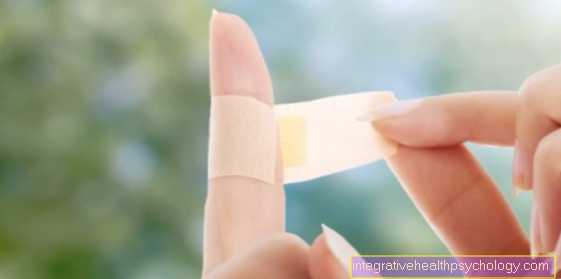
The fingertip is the term used to describe the end of the finger on which the fingernail is located. Everyone has five fingertips per hand, on which the skin is particularly thick, but also particularly sensitive, as it is dense with nerves and pressure receptors
Adrenal hormones

Adrenal hormones

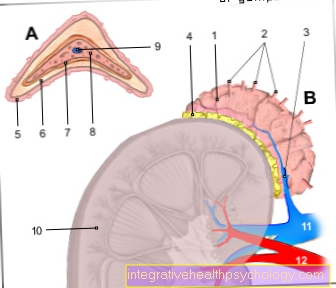
The adrenal cortex has three layers. Each layer of the adrenal cortex makes certain hormones. From the outside in you can find the zona glomerulosa with mineral corticoids, the zona fasciculata with glucocorticoids and the zona reticulosa

Chest hair

Chest hair

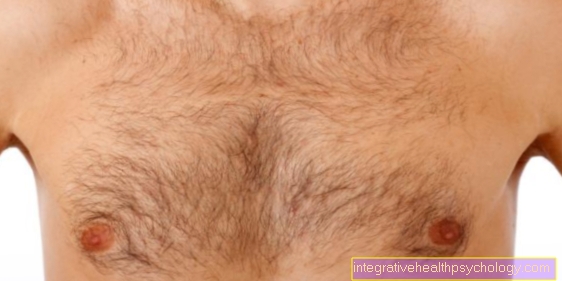
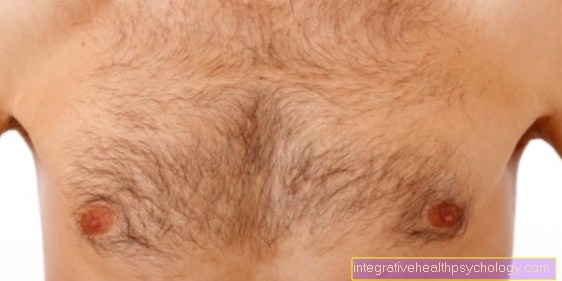
As terminal hair, the chest hair is thicker, stronger and more pigmented than the rest of the body hair. They develop in men during puberty. Chest hair in women is often a sign of hormonal imbalances or endocrinological ones

thumb

thumb

The thumb has a special role under the fingers. It is the first finger and can be placed opposite the other four fingers. Man can grasp through him. The thumb saddle joint, between the large polygonal bone and the first metacarpal bone

Menopausal hormones

Menopausal hormones

Menopause, also known as climacteric or perimenopause, is the years before the last spontaneous menstrual period until one year after the last spontaneous menstrual period. The decrease in production of the female sex hormone estrogen is explained

The cervical spine (cervical spine)

The cervical spine (cervical spine)

The cervical spine (Cervical spine) consists of seven cervical vertebrae (vertebrae cervicales) that connect the head to the trunk. While the lower 5 cervical vertebrae are similar in structure, the first two cervical vertebrae (Atlas and Axis) are in yours

body hair

body hair

Body hair is the hair on the human body that has to be separated from the hair on the head. It develops during puberty depending on the sex and is one of the secondary sex characteristics. Increased body hair in women can be a

ankle

ankle

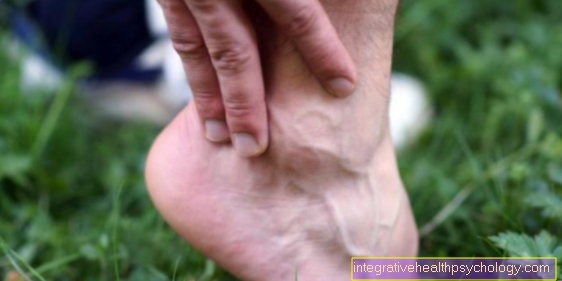
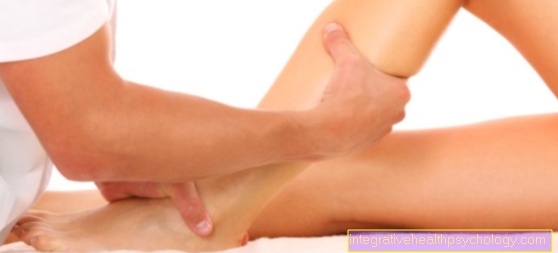
Man has two ankles on each foot. The inner malleolus is the end of the tibia, the outer malleolus is part of the fibula. Together they form the so-called malleolar fork, which is the socket for the upper ankle. One Kn

Intestinal flora

Intestinal flora

The intestinal flora describes the entirety of all microorganisms that colonize the intestine. The intestinal flora includes different bacteria, as well as eukaryotes and archaea, which represent the other two large groups. An intestinal flora forms from the

The upper arm

The upper arm

The upper arm consists of the humerus (upper arm bone) and articulated connections to the shoulder and the forearm bones. Numerous muscles that control arm movement attach to the humerus. In addition, blood vessels and nerves ensure the supply of the

Joint forms of human joints

Joint forms of human joints

For different forms of movement of the body parts, humans have different joint forms. In principle, a distinction is made between ball, hinge, swivel, saddle, egg and wheel joints as well as tight joints, which differ in the number of their axes of movement

Ultrasound of the urinary bladder

Ultrasound of the urinary bladder

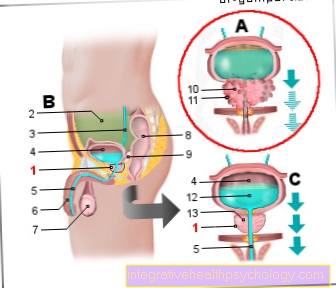
The urinary bladder is often examined using ultrasound. For this, the bladder should be filled so that it unfolds and is not pressed in by the abdominal viscera. Bladder infections are among the most common diseases of the urinary bladder

Blood clotting

Blood clotting

Your medical information portal. Here you will find information on the subject of blood coagulation explained to laymen.

anus

anus

The opening of the intestinal canal is called the anus. Together with the pelvic floor muscles, it is responsible for controlling bowel movements (continence). Often occurring diseases of the anus are hemorrhoids and skin tags as well as anal fissures

The palate

The palate

Injuries that affect the roof of the mouth are usually very annoying to those affected. Sometimes they even hinder food intake. The most common complaints are inflammatory reactions due to injuries. However, it can also be serious

Why is the urine yellow?

Why is the urine yellow?

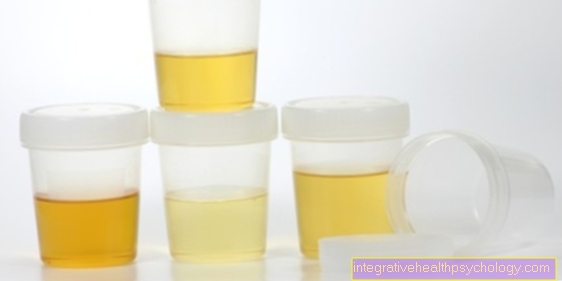
Urine can take on different colors. This varies mainly depending on the amount of fluid, but it can also indicate illnesses. Different foods can also change the color of the urine.

The shoulder muscles

The shoulder muscles

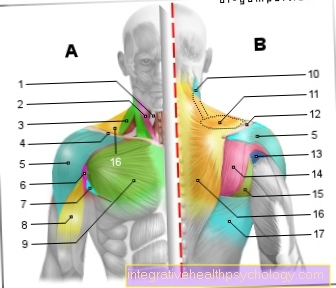
The shoulder muscles include those muscles that limit the shoulder joint. The rotator cuff muscles limit the shoulder directly. The chest and back muscles also indirectly belong to the shoulder muscles.

Functions of the liver

Functions of the liver

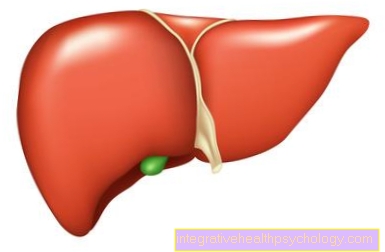
The liver is the body's central metabolic organ, so life without a liver is not possible. It takes on a variety of tasks such as the absorption and utilization of nutrients, the regulation of the sugar balance and the detoxification of toxic ones

urea

urea

Urea is a metabolic end product that is excreted in the urine. If the blood values ​​are too high or too low, there is a suspicion that the kidneys or liver are not working properly. However, urea is also often used because of its osmotic nature

Urine - Everything about the topic!

Urine - Everything about the topic!

The urine is created by filtering the blood in the kidneys. In the process, metabolic end products are excreted and electrolytes such as sodium are reabsorbed.