Category : Anatomy-Lexicon

Corner of the mouth

Corner of the mouth

The corners of the mouth are exposed to great stress, especially in hot or particularly cold temperatures, which can lead to the corners of the mouth tearing. Inflamed corners of the mouth as part of a herpes infection can also be painful
Thyroid levels

Thyroid levels

The thyroid releases the hormones T3 and T4, which are important for our metabolism, into the bloodstream and is stimulated and controlled by the hormone TSH. If thyroid dysfunction is suspected, the TSH as well as fT3 and fT
Lip frenulum

Lip frenulum

The lip frenulum is a structure made of connective tissue, which is stretched between the upper jaw and upper lip in the oral vestibule. A stabilizing task is assigned to him. It can be injured from falls. A too pronounced lip b

mouth

mouth

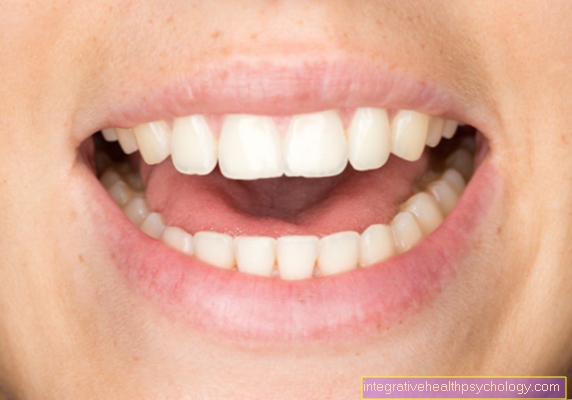
The mouth has many important functions. It plays a major role in breathing, eating, tasting and speaking. He also plays a significant role in the facial expressions and, apart from the eyes, embodies one of the

Spine anatomy

Spine anatomy

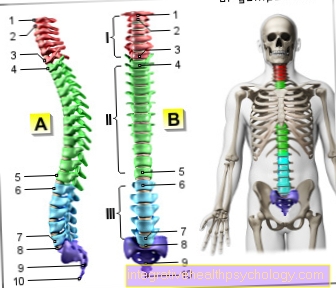
The spine is divided into cervical, chest, lumbar and sacral spine and guarantees us not only stability but also a certain degree of flexibility. The spine shows some curvatures, so-called lordoses and kyphoses, which are responsible for cushioning

The human bloodstream

The human bloodstream

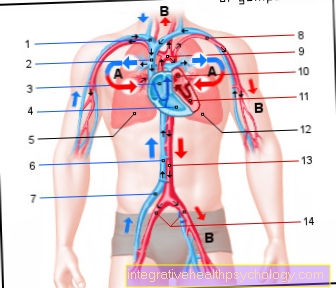
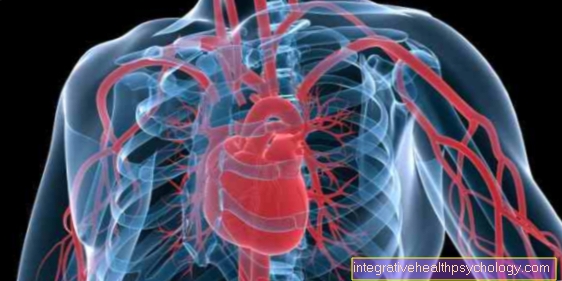
The main purpose of the human bloodstream is to transport oxygen through the entire body. Oxygen atoms can be bound to certain proteins in the blood cells for transport when they pass through the lungs. The blood circulation is driven

Swollen lip

Swollen lip

Lip swelling can occur, for example, as part of an accident, an allergy or an insect bite. Bacterial infections such as erysipelas or viral infections with the herpes simplex virus can also be the cause. Corresponding

The toenail

The toenail

Our toenails consist of around 100 layers of stacked horn cells. Since these horny cells are dead cells of the epidermis and contain neither vessels nor nerves, the toenail has neither feeling nor pain. It is used for protection

Viral infection

Viral infection

Viruses can enter our body in various ways and cause infectious diseases such as flu or HIV. Symptoms vary depending on the infectious disease.

Deoxyribonucleic Acid - DNA

Deoxyribonucleic Acid - DNA

DNA stands for deoxyribonucleic acid and contains the genetic material in every single cell of an organism. Many genes are located on the DNA that provide specific physical characteristics in each individual. Except identical twins

Toenails

Toenails

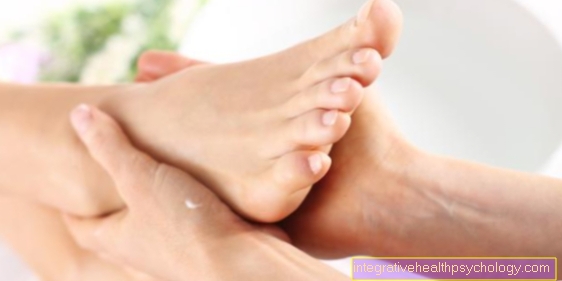
The nails on the toes are mechanical protective devices and fulfill important tasks of the tactile function by forming an abutment for the ball of the toe. A single nail consists of a nail pad, nail wall and nail bed. The nail plate is one

testosterone

testosterone

Testosterone is one of the androgens as part of the sex hormones. In both sexes it is produced in the adrenal cortex, in men also in the testicles, in women in the ovaries. Testosterone has an anabolic effect, it does

Scalp hair

Scalp hair

Human hair is between 0.05 and 0.07 millimeters thick, although there are minor individual differences. The thickness of the hair decreases with age. Europeans have around 121,000 hairs on their heads, while Asians, for example, have around 89,000 hairs on their heads

Armpit hair

Armpit hair

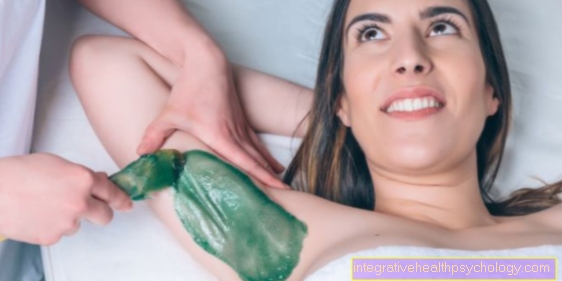
Armpit hair grows in the armpits of humans, is heavily pigmented and develops as a secondary sexual characteristic during puberty. They serve to absorb secreted sweat, which mainly forms in the armpit

Whiskers

Whiskers

Beard hair is one of the terminal hairs. These are thicker, longer and more pigmented than the rest of the body hair. Beard growth occurs i. d. Usually during puberty and is controlled by testosterone. Menopause can also occur in women

Anatomy of the foot

Anatomy of the foot

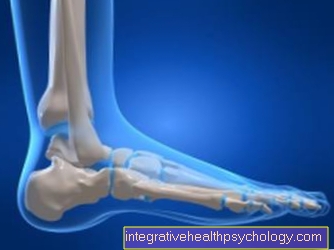
The human foot is made up of 26 bones. They can be divided into three areas (tarsus, metatarsus and forefoot). The entire complex is also made up of joints (tarsal joints, metatarsal joints, and toe joints), many for movement

Dermatome

Dermatome

Certain skin areas are designated as dermatomes that are innervated by a spinal nerve and thus ensure the sensation of pressure, pain and general feeling in the skin area. If this fails in a certain dermatome, it shows

finger

finger

The human hand has five fingers that can perform various movements and are thus responsible for grasping objects and fine motor actions. In addition, the sensitivity on the fingertips is particularly pronounced because

Abdominal hair

Abdominal hair

Abdominal hair consists of so-called terminal hair, which develops during puberty under the influence of testosterone. The pattern and extent of the hair depends on hormonal and genetic influences. In women, abdominal hair can occur

eyebrows

eyebrows

Our eyebrows have a very important protective function for our eyes. They keep sweat from running into the eyes and protect against dust and dirt. In addition, the eyebrows are very important for facial expressions as they have some facial expressions