Category : Anatomy-Lexicon

Large adductor muscle (M. adductor magnus)

Large adductor muscle (M. adductor magnus)

The adductor large muscle (M. adductor magnus) is the largest muscle in the adductor group. It runs from the pubic bone to the lower thigh bone, where it forms the adductor canal and its main function is to bring the thigh towards the

Nose hairs

Nose hairs

Nose hair plays an important role in defending against larger particles in the airways. If they grow too long, however, many people find them annoying and unaesthetic. There are several methods of removal from

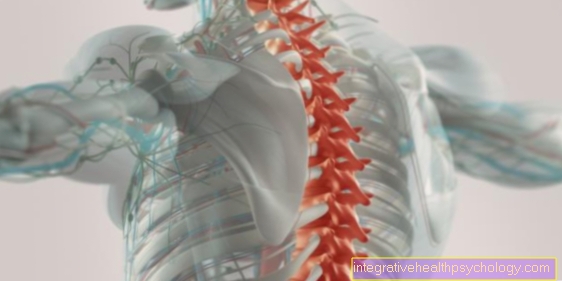
The ligaments of the spine

The ligaments of the spine

The many ligaments of the spine serve to stabilize the back on the one hand and enable a variety of movements on the other. But they too can become inflamed or overstretched, causing pain.

Forearm muscles

Forearm muscles

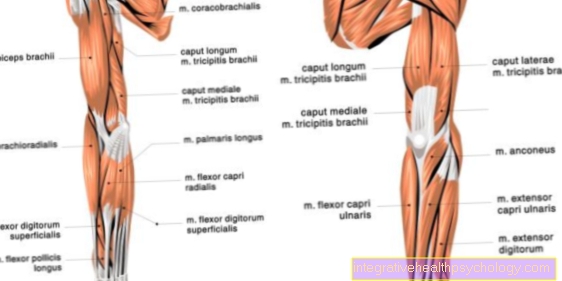
The various forearm muscles are responsible for the extension and flexion of the elbow joint as well as the precise movement of the fingers. Through targeted exercises, they can be stretched and trained well, which leads to painful cramps and mistakes

Drop hand

Drop hand

The drop hand is a weakness in the extensor muscles of the fingers and hand that results from damage to the radial nerve. This can happen if the pressure is too long, but also if the upper arm breaks or the shoulder is dislocated


Functions of the blood

Functions of the blood

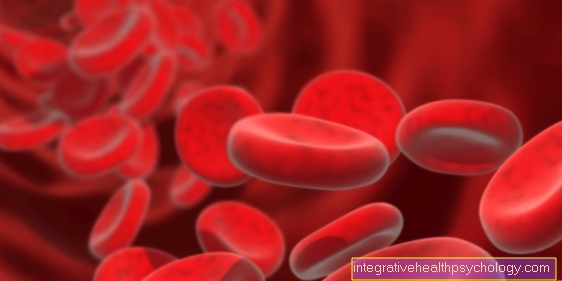
Your diagnostic information portal. Here you will find information on the topic of blood tasks explained to laypersons.

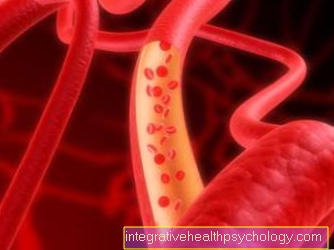
Venules

Venules

A vein is a blood vessel that carries blood to the heart. In the body's large circulation, oxygen-poor blood flows through the vein, while in the lungs, oxygen-rich blood always flows from the lungs to the heart. Veins are very elastic and can be

Arterioles

Arterioles

The arterioles are the smallest arterial vessels that carry blood to the capillaries. Their function is to regulate blood pressure, which they can increase by contraction. Your wall is therefore made up of a relatively thick layer of muscle

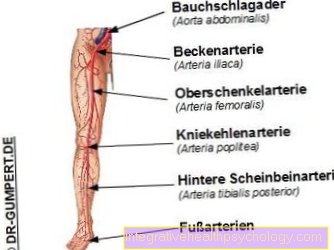
Leg artery

Leg artery

The leg artery, also called the femoral artery, arises from the pelvis. It supplies parts of the Thigh muscles and genitals with oxygenated blood. If there is pain in the leg, it can be caused by a narrowing of the artery

Arteries of the neck

Arteries of the neck

The two large arteries of the neck, the subclavian artery and the common carotid artery, give off numerous branches to supply the head and neck organs and the surrounding muscles. They are created in pairs and arise directly from the aorta.

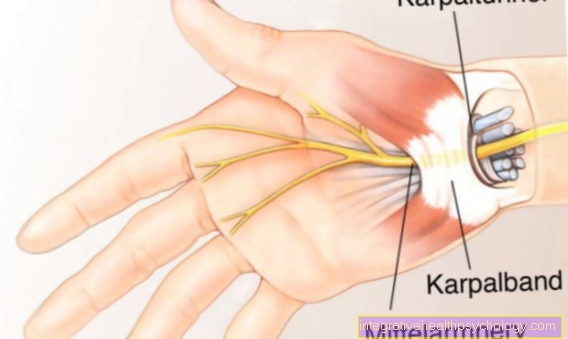
Carpal band

Carpal band

- your orthopedic information portal. Here you will find information on the subject of "carpal ligament" explained to laymen.

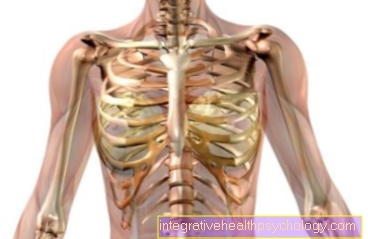
The sword extension

The sword extension

The process of the sword is part of the sternum and in childhood still consists of cartilage, but ossifies over time. This can lead to disturbances such as the funnel breast come. Pain in the area of ​​the sword process can be caused by small

What is the respiratory chain?

What is the respiratory chain?

The respiratory chain is an enzyme complex in the inner membrane of the mitochondria. It is used for so-called "internal respiration", the end metabolism, whereby energy in the form of ATP is obtained in the presence of oxygen. She joins the

Accessory bones

Accessory bones

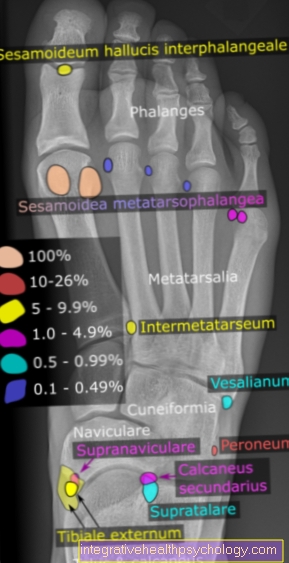
Accessory bones, i.e. additional bones that only occur in a few people, are particularly common on the hand and foot. Mostly these bones are lost in the course of evolution and are no longer needed by humans

Mitochondria

Mitochondria

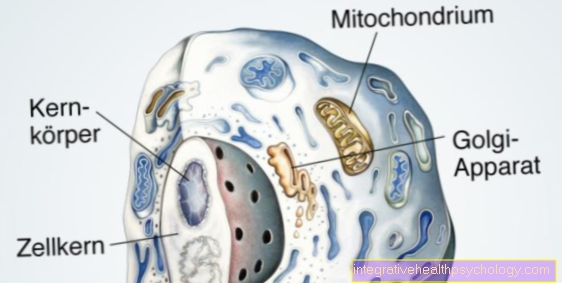
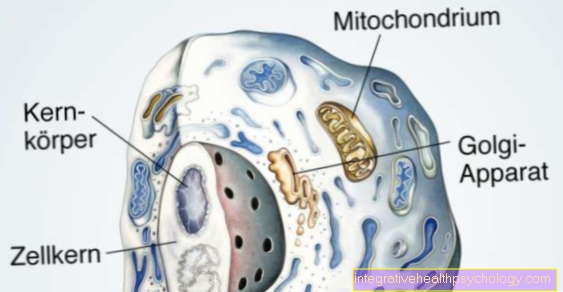
Mitochondria are cell organelles of the eukaryotes. They are also referred to as the "power plants of the cell" because they contain the complexes of the respiratory chain in their outer membrane, which, and thus, also do the main part of the ATP synthesis

Cellular respiration in humans

Cellular respiration in humans

Cellular respiration describes the breakdown of nutrients such as grape sugar or fatty acids while consuming oxygen (O2) to generate energy. This is essential for the cells to survive. The end products that result from this process are carbon dioxide

The diaphragmatic breathing

The diaphragmatic breathing

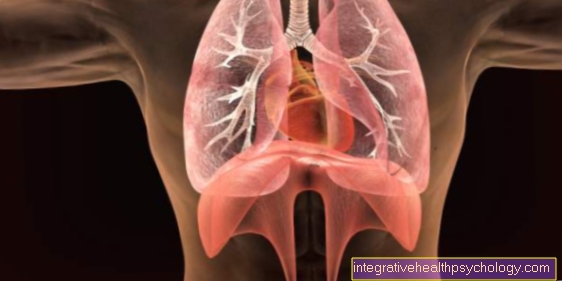
Diaphragmatic breathing, also called abdominal breathing, is the second way of breathing alongside chest breathing. Usually, both forms run parallel to each other, with diaphragmatic breathing predominating at rest. There are also ways to train you, something for some

The chest breathing

The chest breathing

Chest breathing can be recognized externally by the raising and lowering of the ribs. This movement creates a negative pressure, which the air suction follows. This ventilates the lungs. Various diseases can affect chest breathing

Abdominal breathing

Abdominal breathing

Abdominal breathing is a specific breathing technique that healthy people carry out unconsciously when they are at rest, as it uses the least amount of energy. In doing so, the diaphragm rises and falls, causing pressure gradients along the way

Breathing exercises to relax

Breathing exercises to relax

Targeted breathing exercises to relax can be used in any situation, be it in the private sphere or at work. They must be trained beforehand in order to be able to use them in stressful situations.