Category : Anatomy-Lexicon

The thoracic spine

The thoracic spine

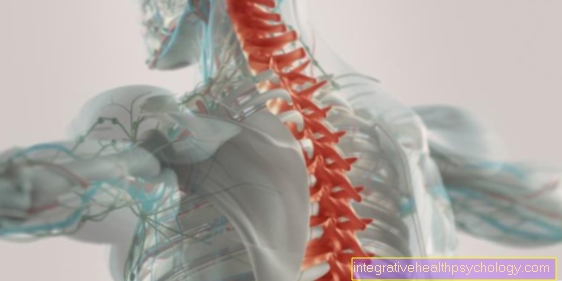
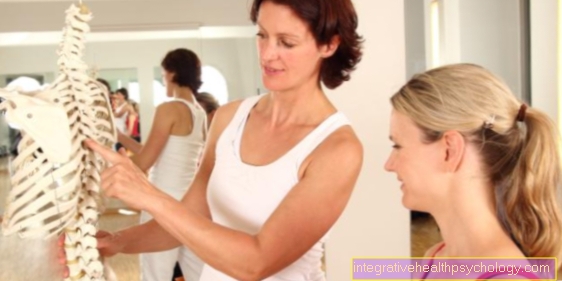
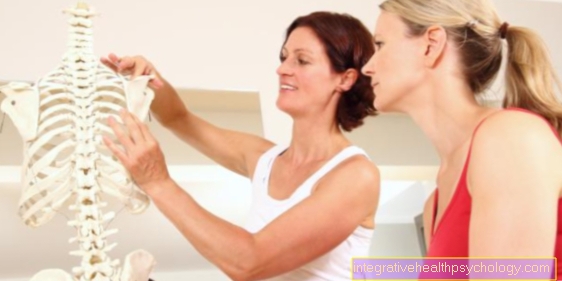
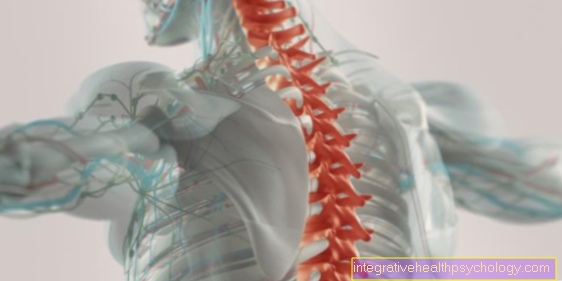
The thoracic spine is part of the spine as a whole, also called the backbone. There are 12 thoracic vertebrae (Vertebrae thoracicae), which make up the middle part of the spine and with the ribs (Costae) and the breastbone (Sternum) the thorax

Lumbar spine (lumbar spine)
Lumbar spine (lumbar spine)

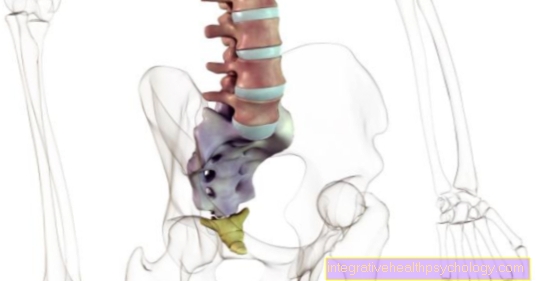
The lumbar spine (lumbar spine) is part of the spine. It usually consists of 4 to 5 lumbar vertebrae. The individual lumbar vertebra consists of a vertebral body (corpus vertebra), a vertebral arch (arcus vertebra), and a spinous process (processus

The RS virus

The RS virus

The respiratory syncytial virus (RSV) is a typical causative agent of colds. It belongs to the paramyxoviruses and is transmitted via a droplet infection.

Viruses

Viruses

Viruses are the smallest pathogens. At the same time, they are parasites, since without a host organism they are not viable and cannot reproduce. They implant their genetic material into the host cell's DNA, thus ensuring that

whirl

whirl

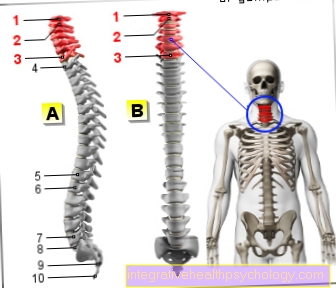
The human spine consists of vertebrae and intervertebral discs. Man has i. d. R. 33 vertebral bodies. The vertebral bodies of the cervical spine, thoracic spine, and lumbar spine remain mobile, while the sacrum and stony

Atlas

Atlas

The atlas is the first cervical vertebra and represents the connection between the skull and the spine. Therefore it is involved in the atlanto-occipital joint and the atlantoaxial joint. It bears the entire load of the skull and has a special structure without

Intervertebral disc

Intervertebral disc

The intervertebral discs are intervertebral bodies that cushion shocks and give the spine its mobility. There are 23 intervertebral discs, which consist of a fiber ring and a gelatinous core. In the case of a herniated disc, the gelatinous core runs out and dr

Sacrum

Sacrum

The sacrum (os sacrum) is a wedge-shaped bone at the bottom of the spine. The os sacrum consists of five vertebrae that are connected to one another in adults. Often there are low back pain that is painful for various reasons

Ligaments of the ankle

Ligaments of the ankle

The ankle joint impresses with its high degree of mobility and immense stability and resilience at the same time. This only works because of the complex ligamentous apparatus that supports the bone and muscle-tendon apparatus at the ankle with numerous ligaments

forearm

forearm

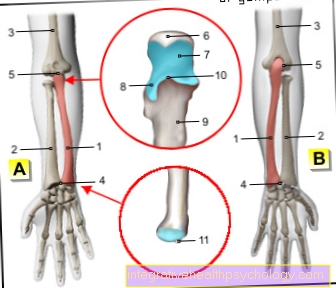
The forearm is made up of the radius and ulna (ulna and radius), which are connected by ligamentous structures. Many muscles were attached to them. The blood vessels and nerves guarantee an optimal supply of the forearm and hand. Its main function

The shoulder muscles

The shoulder muscles

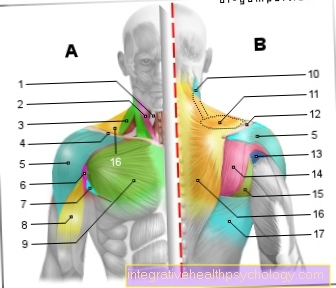
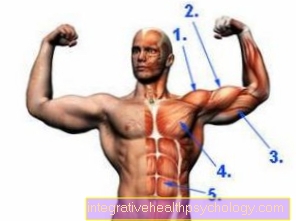
The shoulder muscles include those muscles that limit the shoulder joint. The rotator cuff muscles limit the shoulder directly. The chest and back muscles also indirectly belong to the shoulder muscles.

Median nerve

Median nerve

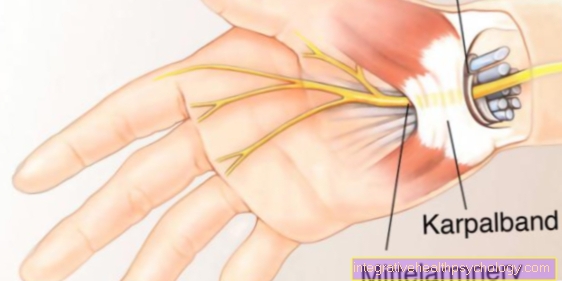
The median nerve is one of the most important arm nerves. He is responsible for controlling the muscles of the forearm and fingers, especially for bending the elbow and wrist. In carpal tunnel syndrome, this nerve becomes pinched

The elbow joint

The elbow joint

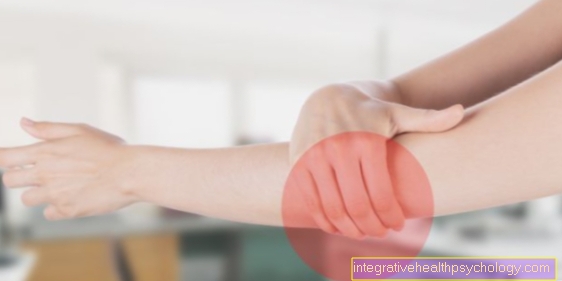
The elbow joint connects the upper arm and forearm and enables movement in two degrees of freedom. The three bones of the upper arm, ulna and radius form three partial joints. These partial joints are shared with a joint capsule

Rotator cuff

Rotator cuff

The rotator cuff is a group of muscles that surround the shoulder and thus stabilize the shoulder joint from all sides and allow the upper arm to move in all directions in a controlled manner.

Anterior cruciate ligament

Anterior cruciate ligament

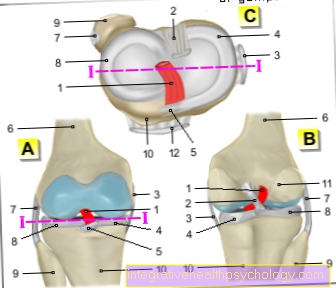
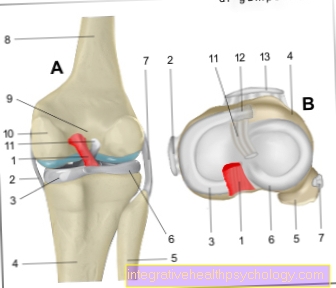
The anterior cruciate ligament connects the thigh bone and the shin bone and serves to stabilize the knee joint. Like the ligament structures of all joints, the anterior cruciate ligament also consists mainly of collagen fibers. It is very

hip joint

hip joint

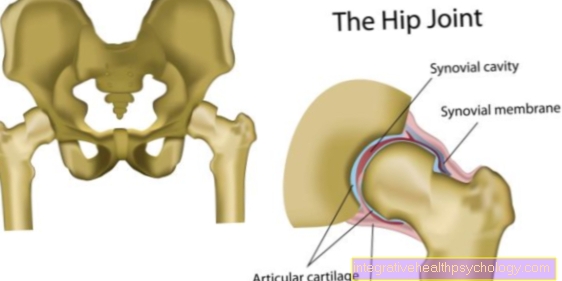
Humans have two hip joints that are responsible for leg movements and for power transmission to the body. Numerous tight ligaments secure the actual hip joint, and the am also provides additional security and stability

Posterior cruciate ligament

Posterior cruciate ligament

The posterior cruciate ligament connects the thighbone to the shinbone. It is part of the knee ligament and serves to stabilize the knee joint. Like the ligament structures of all joints, the posterior cruciate ligament is mainly composed of collagens

Scaphoid

Scaphoid

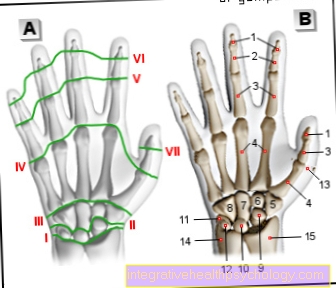
The name scaphoid means both a bone in the hand and a bone in the foot. In order to keep confusion as low as possible, medicine speaks of the os scaphoideum and the os naviculare, the scaphoid being the bone in the hand

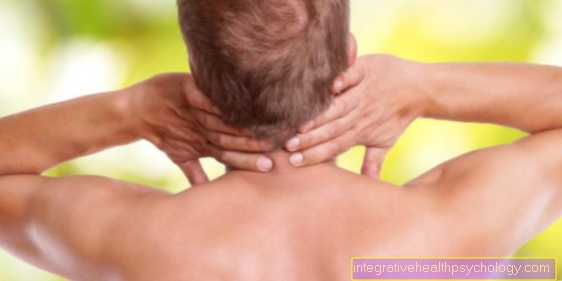
Neck muscles

Neck muscles

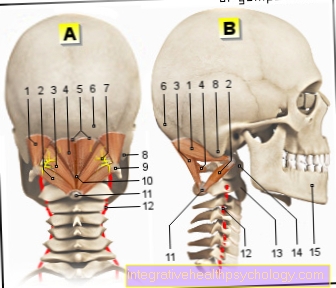
The short neck muscles are grouped on both sides of the cervical spine and belong to the autochthonous back muscles. Their function is to stabilize the head, bend it backwards and move the head sideways. Neck tension is caused by

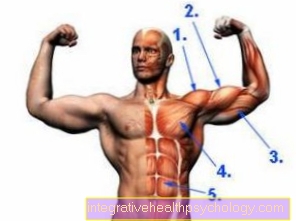
Biceps brachii muscle / biceps muscle

Biceps brachii muscle / biceps muscle

The biceps muscle (muscle biceps brachii) called biceps for short, belongs to the flexor muscles and is located on the front of the upper arm. It is a two-jointed muscle that pulls over the shoulder and elbow joints. Frequent