Category : Anatomy-Lexicon

Larynx

Larynx

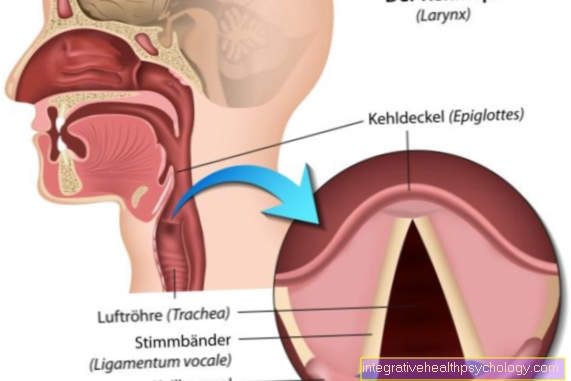
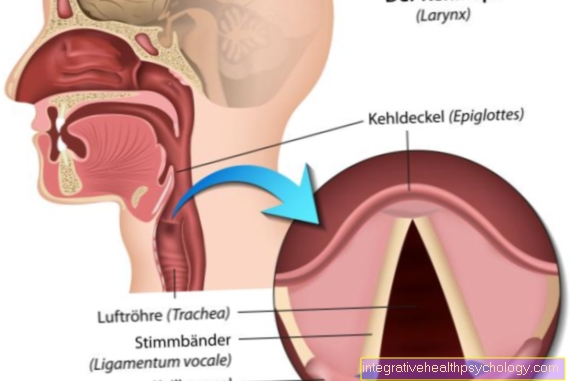
The larynx connects the throat (pharynx) with the windpipe (trachea). It is mainly used for breathing and voice training. In addition, the larynx is involved in the swallowing process and acts as a valve to prevent food and drinks from entering
lung

lung

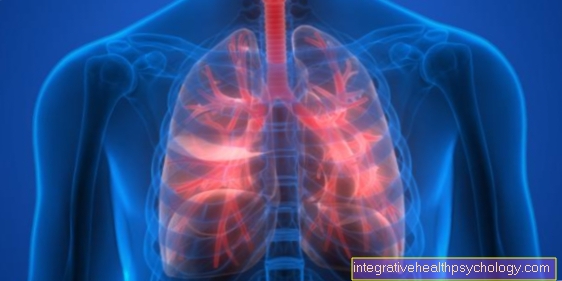
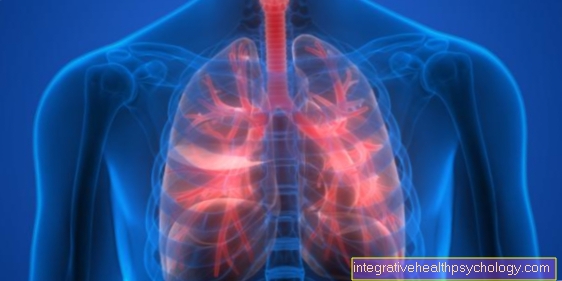
The lungs are hollow organs which, by inhaling and exhaling up to 4.5 liters of air, ensure that the organism is supplied with oxygen and that carbon dioxide is excreted. It has two wings, lies in the rib cage and so is made by the ribs

Patellar tendon

Patellar tendon

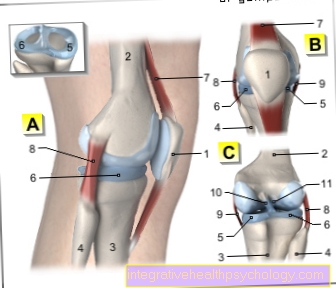
The patellar tendon extends from the kneecap to the upper anterior tibia. In its function, it is essential for the mobility of the knee joint, especially for stretching the leg. The patellar tendon is also known for the an

windpipe

windpipe

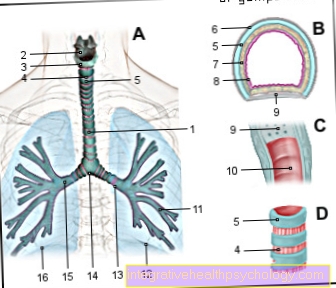
The windpipe, along with the bronchi and lungs, is part of the lower airways and is responsible for breathing. It is about 10-12 cm long and runs in the neck and partly in the chest area. If there is pain in the windpipe area

Respiratory tract

Respiratory tract

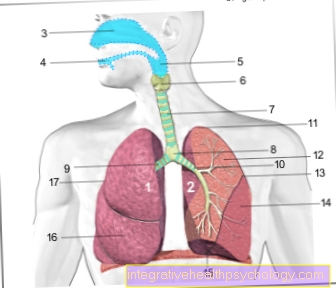
The respiratory tract includes all organs that are involved in breathing: the oral cavity, the nasal cavity, the larynx, the trachea, the bronchi and all their branches up to the alveoli. Breathing itself, i.e. the exchange of oxygen and carbon dioxide

Figure eye

Figure eye

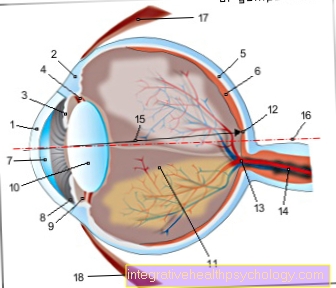
the medical table of figures. Here you will find helpful illustrations on the subject of the eye.

The throat

The throat

The throat connects the mouth and nose with the trachea or esophagus. The 15 cm long muscle tube is used to transport both air and food through the swallowing reflex. The throat can be divided into three sections, with these through

Alveoli

Alveoli

The pulmonary sacs, also called alveoli, are tiny, hollow vesicles that absorb air into the cavity and interact with the blood from the outside, so that oxygen can diffuse into the blood and carbon dioxide into the air through the thin wall

Yeast

Yeast

Yeast mushrooms are one of the most common types of mushrooms. They belong to the unicellular fungi that can reproduce by both sprouting and cell division. They often occur in the intestinal flora and usually cause diseases when the immune system

Salivary glands

Salivary glands

There are large and small salivary glands. The large ones include the parotid gland, the sublingual salivary gland, and the mandibular salivary gland. The large salivary glands produce 90% of the saliva. A distinction is made between serous, thin-flowing saliva

Cold viruses

Cold viruses

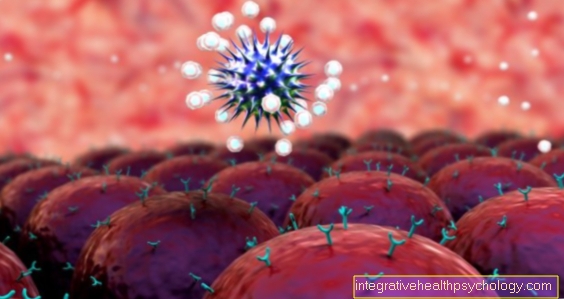
Cold viruses are viruses that can trigger the symptoms of a cold when they attack the organism. Symptoms include cough, runny nose, headache, sore throat, and fever. The most important representatives are influenza viruses

immune system

immune system

The immune system is made up of special body cells and proteins that have specialized in eliminating pathogenic invaders. A distinction is made between the innate and the acquired immune system, which is exactly between the body's own

antibody

antibody

- your medical information portal. Here you will find information on the subject of "antibodies" explained to laymen.

Serotonin

Serotonin

Serotonin is a tissue hormone and a neurotransmitter. It is best known for its mood-enhancing effect, which is why it is often referred to as the "happiness hormone". Disturbances in the serotonin system can cause depression

Bronchi

Bronchi

The bronchial tree fills the lungs, starts out from the windpipe and undergoes 22 divisions before it joins the alveoli. The bronchi, the air-conducting pathways, get smaller and smaller from top to bottom. Especially in winter it often happens in the frame

Vocal cord

Vocal cord

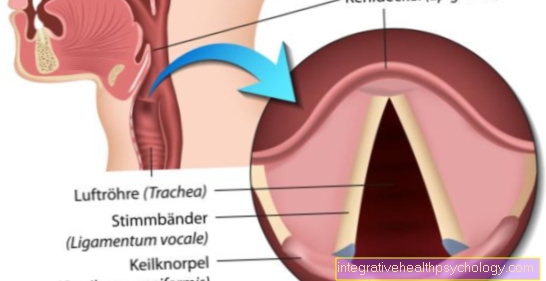
The human vocal cords are structures that can vibrate and are located in the larynx. They are created in pairs and belong to the voice-forming apparatus. Hoarseness or pain in the vocal cords is often inflammation

Epiglottis

Epiglottis

The epiglottis is a cartilaginous closure device that is covered with mucous membrane. During the act of swallowing, it closes the windpipe and directs food and liquids into the esophagus. The epiglottis lies immediately above the

diaphragm

diaphragm

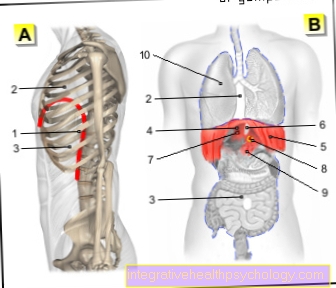
The diaphragm is the most important respiratory muscle in mammals. It is dome-shaped, attaches to the side of the costal arch and thus separates the chest and abdomen from each other. The diaphragm has three openings for the esophagus, the main artery and the vena cava.

heart

heart

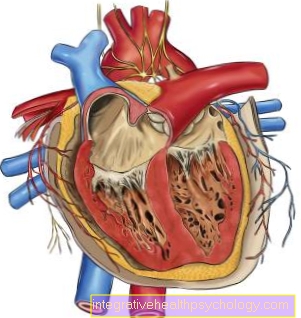
The heart (Cor) is a muscular hollow organ that is located in the chest area between the two lungs. It works like a pump that transports blood through the body's small and large circulation. There are numerous diseases in the heart

Nasal breathing
Nasal breathing

Breathing through the nose has many advantages over mouth breathing. It warms and humidifies the cold, dry air that is inhaled, especially in winter, and filters out pathogens. The blood circulation is also increased when breathing through the nose. Hence it is so