Category : Anatomy-Lexicon

progesterone

progesterone

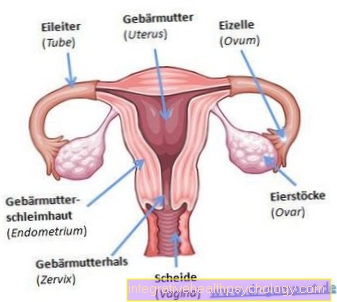
Progesterone is also known as the corpus luteum hormone and is mainly produced in the corpus luteum of the ovaries, in the placenta and in the adrenal cortex. The formation of progesterone in the adrenal gland also takes place in men. But it also plays
Acetylcholine

Acetylcholine

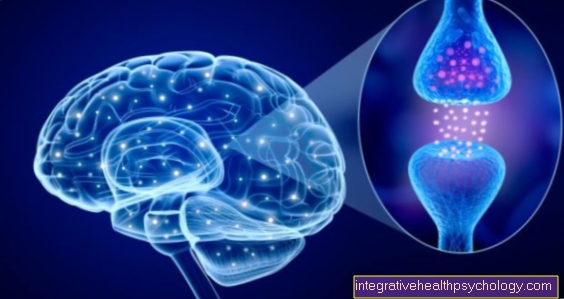
Acetylcholine (ACh) is one of the most important neurotransmitters. From a chemical point of view, it belongs to the group of biogenic amines and plays an extremely important role in the nervous system. In Alzheimer's disease, an attempt is made to treat a deficiency in acetylcholine
Blood vessel

Blood vessel

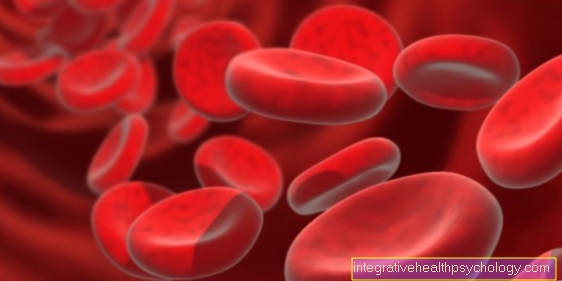
A blood vessel is a tube-shaped organ that specializes in transporting arterial blood to the periphery of the body and venous blood to the center of the body. The total length of all blood vessels in the body is 150,000 km.

Thyroid hormones

Thyroid hormones

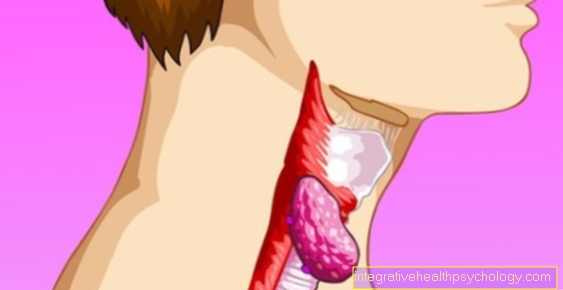
The thyroid gland produces the hormones T3 and T4, as well as calcitonin. As classic thyroid hormones, T3 and T4 increase energy expenditure. Calcitonin plays an important role in calcium metabolism. Changes in hormone levels can occur

Venous valve

Venous valve

Venous valves have the task of transporting blood towards the heart. These flaps usually consist of two, sometimes three crescent-shaped sails. They are needed because the blood pressure in the veins and their muscles are very low

Left atrium

Left atrium

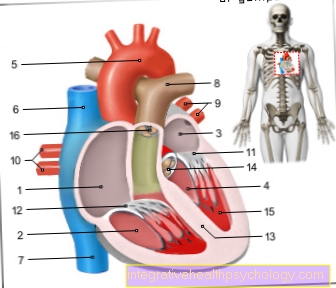
The left atrium is upstream of the left ventricle and is part of the great circulation (body circulation). From the lungs, the blood, freshly saturated with oxygen, reaches the left atrium via the pulmonary veins, that via the left ventricle and the aorta

capillary

capillary

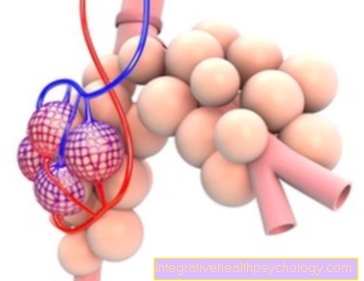
The capillaries form the transition from the arterial system to the veins. The task of the capillaries is to exchange nutrients and metabolic end products between the bloodstream and the tissue. Nutrients are added to the tissue, waste materials

Lymph nodes

Lymph nodes

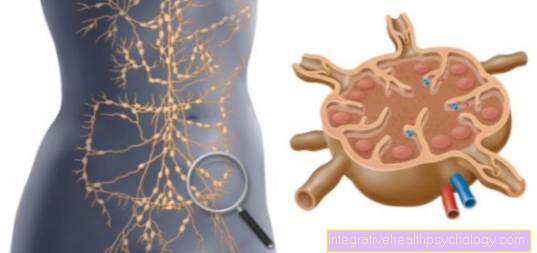
Lymph nodes are small, approximately 2mm wide, kidney-shaped collecting stations in which the lymph is filtered out of the tissue and checked for pathogens. Lymphocytes eliminate the pathogen in the lymph nodes and thus prevent them from becoming infected

Heart muscle

Heart muscle

By contracting regularly, the heart muscle is responsible for ensuring that enough blood is pumped into the body to supply all organs with oxygen. Important diseases that affect the heart muscle are the heart attack, the heart muscle inflammation

stomach

stomach

The stomach is a large bulge in the digestive tract. It connects the esophagus with the intestine and has the task of reducing, mixing and storing ingested food. In addition, the stomach produces hydrochloric acid, which the food already has

Vertebral artery

Vertebral artery

The vertebral artery runs in pairs up the spine and unites to form the basilar artery. Your blood supplies parts of the brain and spinal cord with oxygen. When the artery is narrowed, one speaks of the arteria vertebralis synrom

Acromion

Acromion

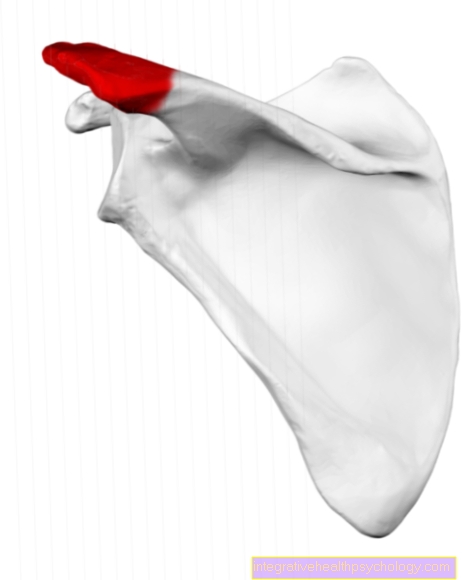
The acromion is the highest point on the shoulder blade. It is a flattened process of bone that forms a joint with the collarbone. In addition, the acromion is the origin of the deltoid muscle, the most important function of which is to spread the arm

Small intestine

Small intestine

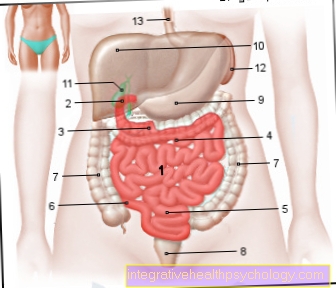
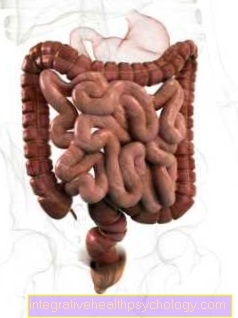
The small intestine is the section of the digestive tract that connects to the stomach. It is divided into three sections, all of which are responsible for breaking down the pulp and absorbing nutrients. Common diseases are constipation, chronic

Bursa

Bursa

A bursa is a fluid-filled sac that is often found between joints. Its main function is to relieve the pressure and friction that occurs between two bones of a joint when moving, and thus the bones

Shoulder joint

Shoulder joint

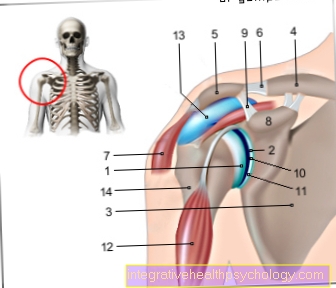
The shoulder joint or acromioclavicular joint (AC joint) is the joint between the outer part of the collarbone (clavicle) and a protruding bone on the upper part of the shoulder blade, the so-called shoulder roof (acromion). The AC joint

Duodenum

Duodenum

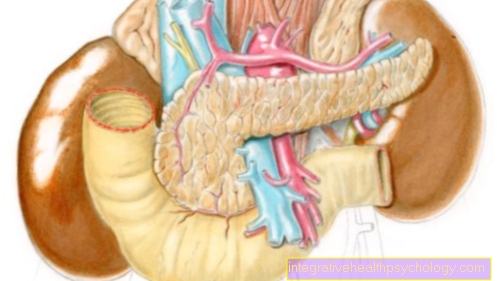
The duodenum is a part of the small intestine that joins the stomach and later merges into the jejunum. Inflammatory diseases in the form of ulcerations are found here relatively often and due to medication

Rectum

Rectum

The rectum is part of the last section of the colon. Together with the anal canal, the rectum is used to pass stool. If the rectal prolapse occurs, weak pelvic floor muscles cause the rectum to fall and the anus can

diffraction

diffraction

The flexion (also "flexion") is possible on ball and hinge joints and represents the opposite form of movement to extension.

Elongation

Elongation

The stretching (also "extension") is possible on hinge and ball joints and the opposite form of movement to flexion.

nach

nach

The opening of the intestinal canal is called the anus. He is responsible for controlling defecation. Often occurring diseases of the anus are hemorrhoids, anus burning and anus itching. In some cases an anus needs to be preter