Category : Anatomy-Lexicon

Eye muscles

Eye muscles

A complicated system consisting of internal and external eye muscles is responsible for the movements of our eyeball. Innervation and blood supply also play a major role in this. Injuries to the nerves, inflammation and tumors can lead to various
eyelid

eyelid

The eyelid is a muscular fold of skin that covers the eyeball immediately below. It consists of the upper and lower eyelids and contains, among other things. Muscle and glandular tissue. It protects the eye through constant moisture. A

Visual pathway

Visual pathway

The visual path extends from the retina of the eyes to various areas of the brain. The most distant area of ​​the brain is on the back wall of the skull and thus on the head on the opposite side of the eyes.

The lymphatic system

The lymphatic system

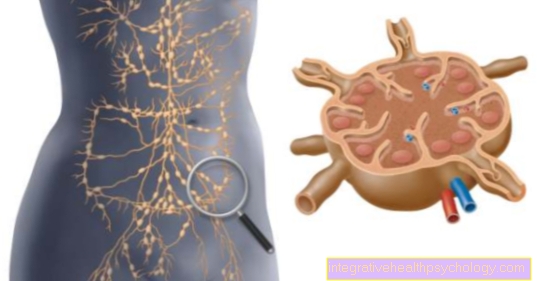
The structure of the body's lymphatic vascular system corresponds to that of the blood vessel system and returns the fluid, which reaches the tissue via a pressure gradient in the capillaries, to the blood via the angle of the veins. In lymph nodes, the lymph is responsive to pathogens

Trigeminal nerve

Trigeminal nerve

The trigeminal nerve is the fifth cranial nerve and is divided into three branches. In addition to the sensitive care of the face, it also has motor tasks. Severe pain in the head area can indicate irritation to the nerve. Here

lymph

lymph

The liquid that is pressed out of the blood in the capillaries and thus gets into the tissue is drawn as a lymph. It is transported back into the blood via the lymph vessels and, in the case of infections, also contains the pathogens that pass through

eyelash

eyelash

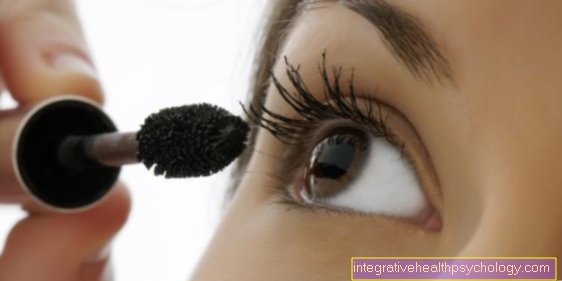
Eyelashes are appendages to the eyelids and protect the eye from foreign bodies. If the eyelashes are touched unexpectedly, the eye is reflexively closed. Ingrown eyelashes, eyelash rubbing and madarosis can occur if the Ma

Thigh bone (femur)

Thigh bone (femur)

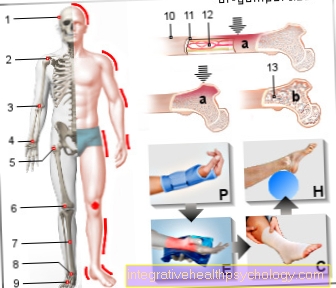
The thigh bone is the largest bone in the human body. Like the tibia and fibula, it is a tubular bone that houses the bone marrow for blood formation. The femoral head and the hip socket of the pelvis form this

Blood-brain barrier

Blood-brain barrier

The blood-brain barrier represents a barrier between the blood circulation and the brain or the cerebral fluid (liquor). in keeping the composition of the nerve water constant and the sensitive nerve cells

The pupillary reflex

The pupillary reflex

- your medical information portal. Here you will find information on the subject of reflexes that is understandable for laymen.

T3 - T4 - hormones

T3 - T4 - hormones

T3 and T4 are made in the thyroid from the amino acid tyrosine. The thyroid hormones are responsible for growth, maturation and metabolism. More precisely, these hormones increase the body's energy expenditure, thereby increasing it

Rods and cones in the eye

Rods and cones in the eye

Rods and cones are the photoreceptors in the retina in the human eye. While cones are responsible for color vision, rods differentiate very well between light and dark. Possible diseases are retinitis pigmentosa or the

Eye socket

Eye socket

The eye socket (orbit) is the bony cavity that contains the visual apparatus. It is made up of various bones in the face and skull. An orbital rupture is often the result of blunt force. Common diseases of the eye are

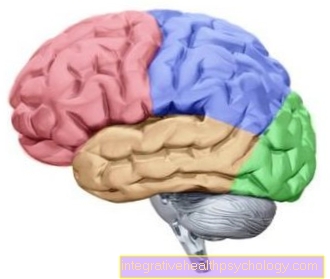
Cerebrum

Cerebrum

In addition to the cerebellum, the diencephalon and the brain stem, the cerebrum is an important part of our brain. The cerebrum is responsible for amazing abilities such as logical thinking, one's own consciousness, emotions, memory and diverse

Erythrocytes

Erythrocytes

The medical information portal. Here you will find information on the subject of blood that is understandable for laymen.

Optic nerve

Optic nerve

The optic nerve is the second cranial nerve and is used to transmit optical stimuli from the retina to the brain. If the nerve is damaged, the area of ​​vision may be restricted.

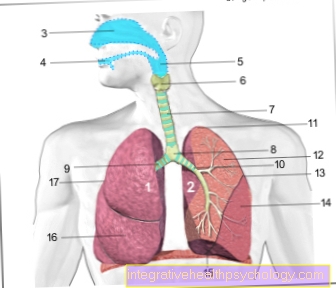
Lung disease

Lung disease

The lungs can be affected by a variety of diseases, which can be congenital or acquired. Bronchial asthma is triggered by an allergic reaction. Pneumonia is caused by bacteria. COPD and lung cancer will be

Lower jaw

Lower jaw

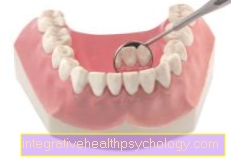
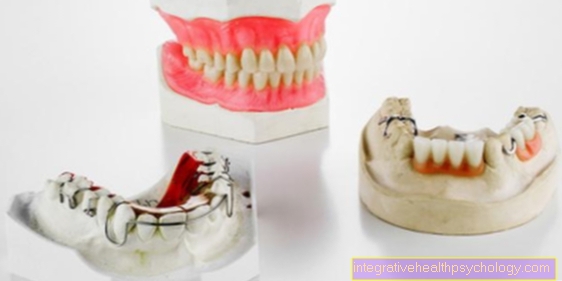
The lower jaw is a large, compact bone that is freely connected to the skull by joints on both sides of the skull. As a result, the lower jaw is the freely movable part of the jaw and thus for the chewing mechanism and language formation

Knee joint

Knee joint

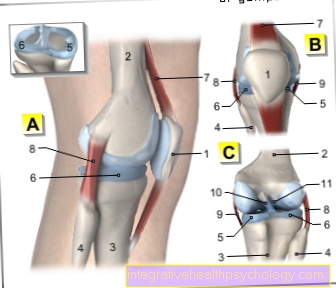
The knee joint is the largest and most stressed joint in the human body. Accordingly, the knee is also the most commonly injured joint. The knee joint is a so-called rotary hinge joint that allows flexion and extension

rectum

rectum

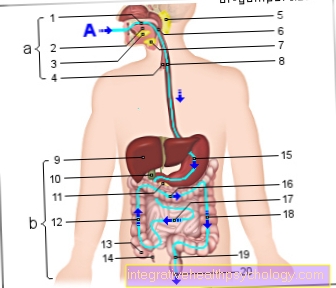
The rectum is primarily a reservoir and stores prepared stool that is intended to be eliminated. The rectum begins approximately at the level of the sacrum. The rectum has a length of approx. 15-20 cm. It ends in the anus, which is next to the perineal muscles