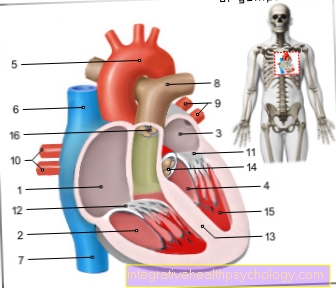
Function of the heart
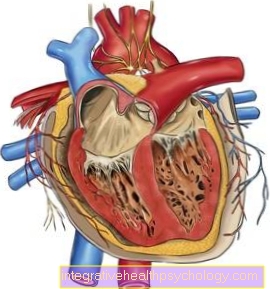
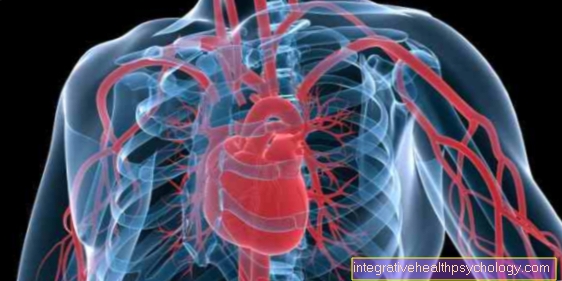
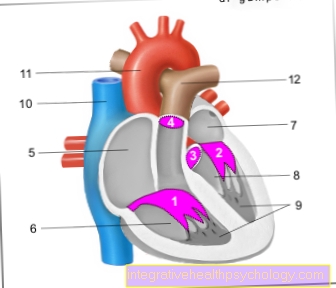
The heart is a vital organ. It ensures a constant flow of blood in the body and is responsible for the distribution of oxygen-rich and oxygen-poor blood to the corresponding organs. If the heart does not function properly

The heart is a vital organ. It ensures a constant flow of blood in the body and is responsible for the distribution of oxygen-rich and oxygen-poor blood to the corresponding organs. If the heart does not function properly
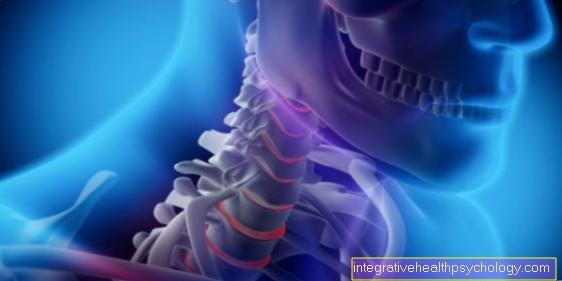
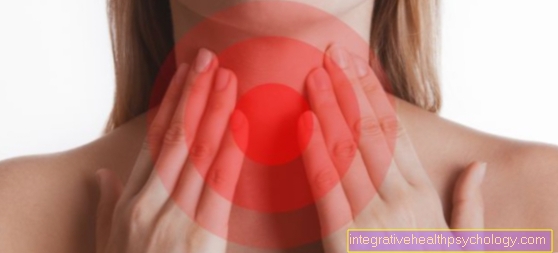
The neck connects the head to the trunk. Many organs that start in the head area then continue through the neck into the trunk, such as the digestive tract or the respiratory tract. In the neck region there are numerous muscles, blood vessels
The nerve water, also called liquor, is a liquid that is mainly formed in the brain chambers. From there it flows into the cerebral ventricles and between the meninges. Since it even flows around the spinal cord, this is used to clarify meningitis
The thoracic vertebrae are part of the thoracic spine. There are 12 thoracic vertebrae (Vertebrae thoracicae) connected to the ribs (Costae) and the breastbone (Sternum). The vertebrae have a vertebral body and a vertebral arch on which
The heart valves separate the atria and chambers of the heart as well as chambers and draining vessels from one another, thus ensuring blood flow in only one direction. A distinction is made between sail and pocket flaps. Defects in the valve closure occur
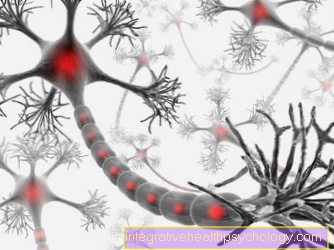
In addition to the sympathetic nervous system, the parasympathetic nervous system is part of the autonomic nervous system and cannot be influenced arbitrarily. While the sympathetic nervous system is responsible for the active part, the parasympathetic nervous system takes care of the part under physical rest. One speaks
The pulse artery, also called the radial artery, arises from the brachial artery and runs along the forearm until it branches into an arterial network in the palm of the hand. Together with the ulnar artery, it ensures arterial blood flow
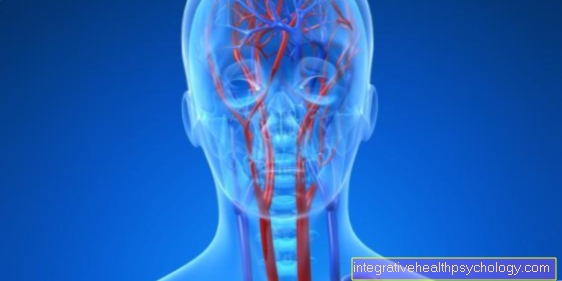
The carotid artery runs in pairs and supplies large parts of the head and neck with oxygenated blood. On the right it arises from the brachiocephalic trunk, on the left directly from the aortic arch. As it continues, it divides into the artery
In humans, there are three large salivary glands, the parotid, submaxillary and sublingual glands, which produce 90% of saliva, and a variety of small salivary glands. On average, a person produces approx
The human set of teeth in healthy, adult humans contains 32 teeth. A newborn has no teeth yet, from the 6th month of life the milk teeth grow out, which fall out in childhood up to puberty and are replaced by the permanent teeth
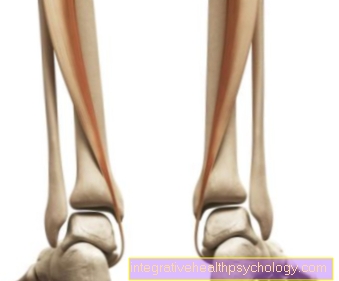
The fibula and the tibia form the two bones of the lower leg. Both bones are connected to one another by a connective tissue membrane. The fibula lies on the outside of the lower leg. The fibula forms the knees with the shin
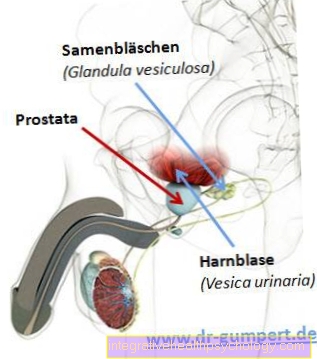
The prostate is an accessory sex gland in men that releases the secretion it produces into the urethra. It produces part of the ejaculate that promotes sperm survival. Enlargement of the prostate is a typical condition
Humans have 31 paired spinal nerves (spinal cord nerves) that pass through the intervertebral holes between the individual vertebrae. A herniated disc can damage the spinal cord nerves. The spinal cord nerves can often become
The vena cava (vena cava) is a large blood vessel that returns blood from the peripheral heart. A distinction is made between an upper and a lower vena cava. Both open into the right atrium. For example, the superior vena cava becomes medical in one
- your medical information portal. Here you will find a lot of helpful medical information explained in a layman's way.
the medical information portal. Here you will find information on the subject of blood groups that is understandable for laypeople.
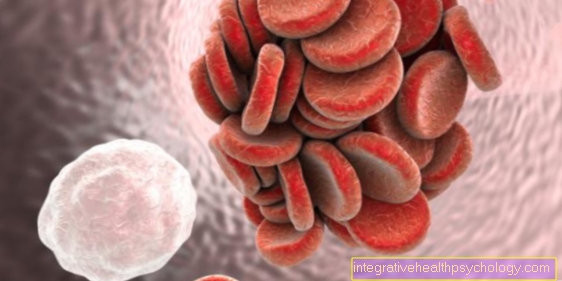
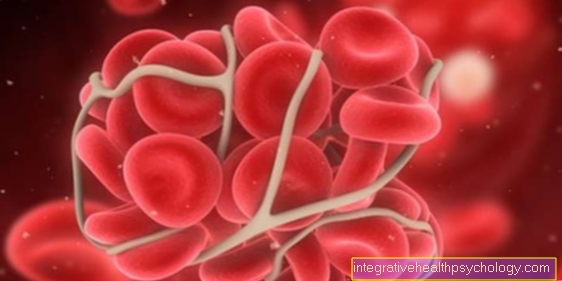
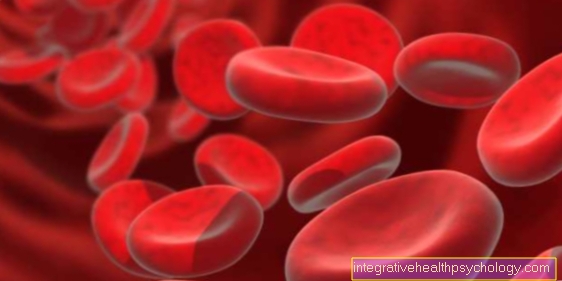
Blood clots are blood clots that are formed by the cross-linking of blood cells and proteins. First and foremost, they are part of the healing mechanism of a vascular injury and stop the bleeding. Uncontrolled, however, they can also lead to severe clinical pictures
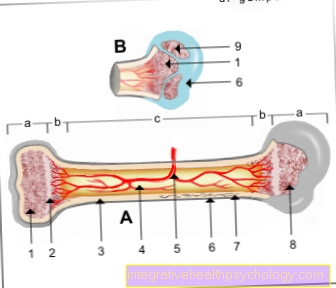
Bone marrow fills the inside of the bone and is the main site of blood formation in humans. Often diseases can be traced back to an imbalance in the cell formation in the bone marrow. For example, these are leukemias and anemias that are under
The thalamus represents the largest structure of the diencephalon and is located once in each hemisphere. It is a bean-shaped structure that is connected by a kind of bridge. As the first filter station for information carries
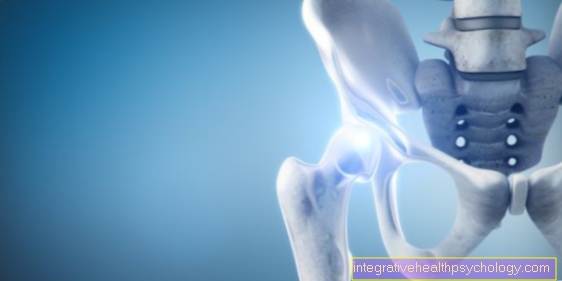
The femoral neck is particularly at risk for broken bones due to the effects of physical force. Older people in particular who suffer from osteoporosis are at risk of breaking the femoral neck if they fall. In younger people

.jpg)