Category : Anatomy-Lexicon

dendrit

dendrit

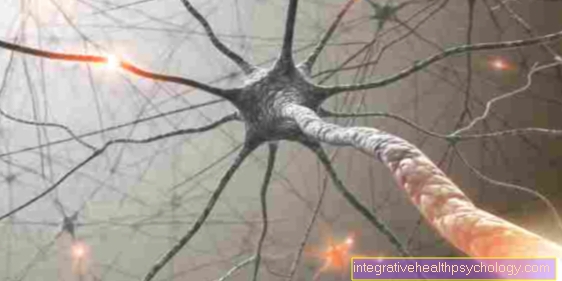
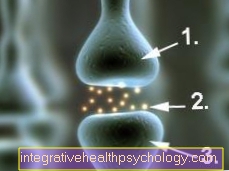
Dendrites are extensions of a nerve cell and can occur singly or more than once. Depending on the type of nerve cell, there are, for example, heavily branched dendrite trees. The information that is absorbed via the dendrites reaches the cell
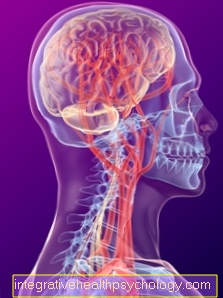
brain

brain

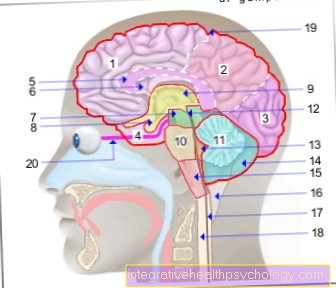
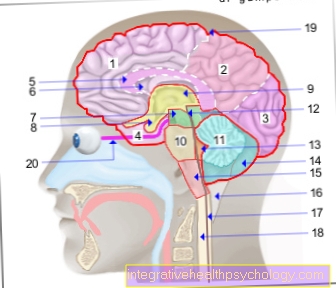
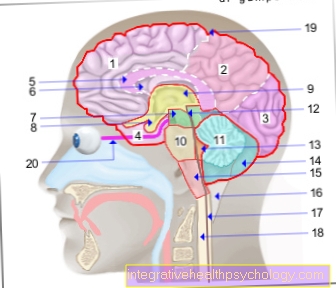
The brain is the most important organ of vertebrates and forms the overriding command center of the central nervous system. It regulates all conscious and unconscious processes, processes and evaluates complex information content and agrees a physical one

CNS / Central Nervous System

CNS / Central Nervous System

The CNS (central nervous system) consists of the brain and spinal cord and has numerous tasks such as controlling movement, thinking, learning and many more. A distinction is made between the gray matter, in which the nerve cell bodies lie, from the white

What is the elastase?

What is the elastase?

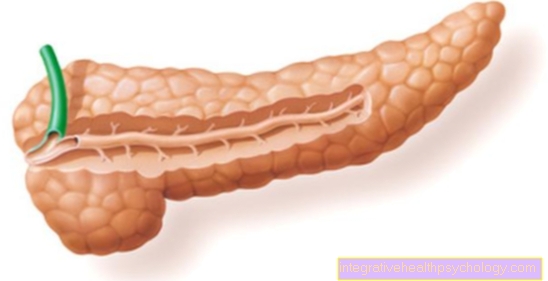
Elastase is one of the body's enzymes and plays an important role in digestion. More important, however, is their importance in determining the performance of the pancreas. So even a small change in elastase can be

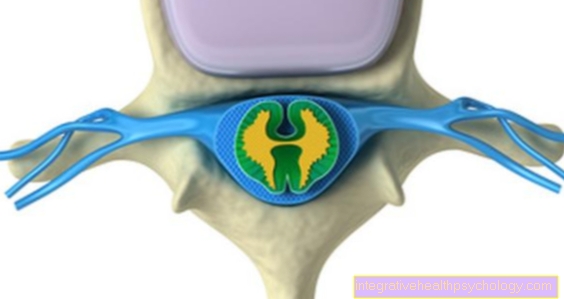
Spinal cord

Spinal cord

Like the brain, the spinal cord is part of the central nervous system (CNS) and is located in the spinal canal. It is for the motor (movements) and sensory (sensations) care of the trunk, the extremities (arms and legs) and also the neck

Composition of body tissues

Composition of body tissues

the sports medicine information portal. Here you will find a lot of helpful information on the subject of body composition clearly explained.

Basal ganglia

Basal ganglia

The term “basal ganglia” refers to the core areas located below the cerebral cortex, which are primarily responsible for controlling motor functions. In addition, the basal ganglia control cognitive signals and are involved in information processing

Limbic system

Limbic system

The term “limbic system” is understood to mean a functional unit located in the brain that primarily serves to process emotional impulses. The processing of essential components of intellectual performance are also part of the limbic system

Meninges

Meninges

The meninges are made up of three layers of connective tissue that surround the brain. A distinction is made between the hard meninges, the spider tissue and the soft meninges. Bleeding may occur between the skins. A distinction is made between epidural, subdural and

Diencephalon

Diencephalon

The diencephalon is a part of the brain and is located between the cerebrum and the brain stem. It consists of the thalamus, epithalamus, subthalamus and the hypothalamus. All parts have important functions such as filtering external impressions

Lumbar vertebrae

Lumbar vertebrae

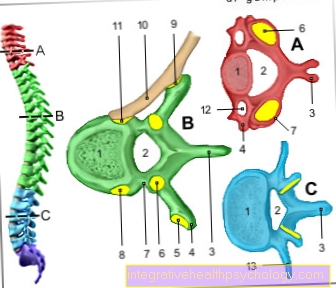
The lumbar vertebrae are located in the area of ​​the lumbar spine. The processes of the lumbar vertebra arise from the vertebral body. There are the spinous processes, transverse processes and auxiliary processes. The most common disease in this area is the herniated disc

Nerve root

Nerve root

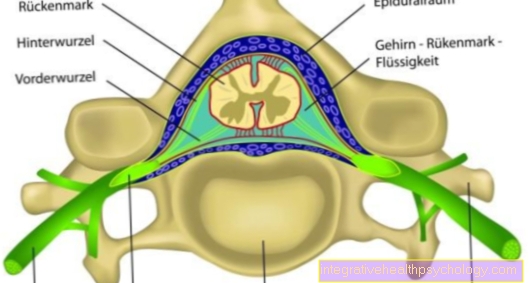
Nerve roots are the nerves that emerge from the spinal cord and unite to form the spinal nerve on either side. They carry different qualities of nerve fibers, i.e. motor and sensory qualities. Due to a herniated disc one

Visual center

Visual center

The visual center (visual cortex) is part of the visual system. Here information from the visual pathway is processed, interconnected, interpreted and coordinated. Disturbances in this area range from visual field defects to blindness and accidents

Cranial nerves

Cranial nerves

The 12 cranial nerves (Nervi craniales) have their origin mostly in the brain stem and are important for our sensory and equilibrium organs, eye movement and blood pressure regulation. If individual nerves are damaged, there are symptoms of failure of the supplying one

Function of the cerebellum

Function of the cerebellum

As part of the cerebrum, the cerebellum lies behind the brain stem in the posterior fossa. The cerebellum is used to control movement processes, primarily to limit movements so that they are regulated, and plays a role in f

Extended mark

Extended mark

The elongated medulla (medulla oblongata) is part of the brain stem. This is where important nerves, nerve tracts and nuclei are located, which are important for the control and transmission of information. Without them, vital functions such as breathing would be controlled

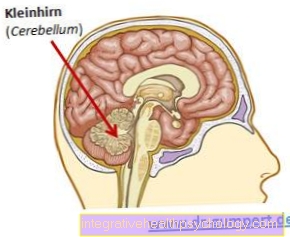
Cerebellum

Cerebellum

The cerebellum is part of the brain in the posterior fossa behind the brain stem. Anatomically, the cerebellum can be divided into two hemispheres, a centrally located worm and the cerebellar tonsils. The cerebellum fulfills important functions

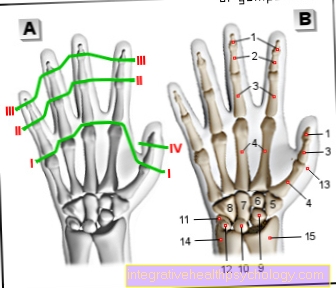
Finger joint

Finger joint

The finger joint is located between the phalanges. Each finger has a metacarpophalangeal joint, a metacarpophalangeal joint, and an interphalangeal joint. The thumb is an exception because it only has two phalanges. The finger joints are stabilized

hair

hair

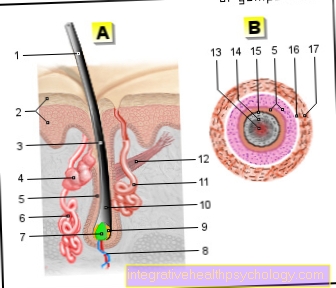
Hair is an appendage made of keratin, a structural protein. Hair originally had a protective function (e.g. eyelashes and eyebrows protect the eyes from dust) and a warming function (scalp hair prevents excessive heat loss via the brain

Brain stem

Brain stem

The brain stem of the brain includes the midbrain, the bridge, and the elongated medulla that merges into the spinal cord. The brainstem of the brain is responsible for regulating vital processes such as sleep, breathing, blood pressure or urination (micturition