Vitreous
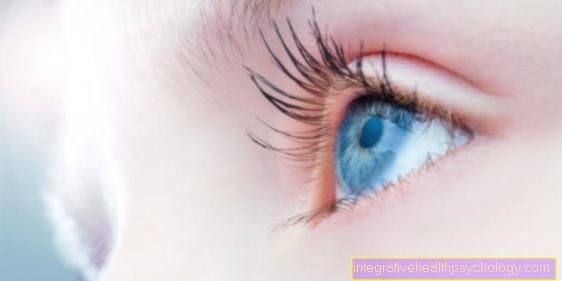
The vitreous fills a large part of the posterior chamber and is primarily responsible for maintaining the shape of the eyeball. Changes to the vitreous humor often lead to impaired vision. Towards the front, the vitreous is limited by the

The vitreous fills a large part of the posterior chamber and is primarily responsible for maintaining the shape of the eyeball. Changes to the vitreous humor often lead to impaired vision. Towards the front, the vitreous is limited by the
The yellow spot indicates the area on the retina of the eye that has the highest density of photoreceptor cells. If you fix an object with your eyes, the light hits the yellow spot through the lens of the eye. The most common disease
The stellate ganglion is a large nerve plexus made up of sympathetic nerve fibers that support the body in active activities. A blockade of the ganglion triggers the Horner triad (ptosis, miosis, enophthalmos), but causes it
The sympathetic, like its counterpart, the parasympathetic, belongs to the vegetative nervous system that cannot be controlled voluntarily. It is more prevalent when the body is active and no longer at rest. A pathological overactivation occurs
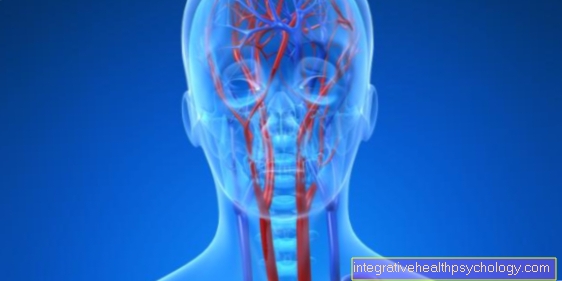
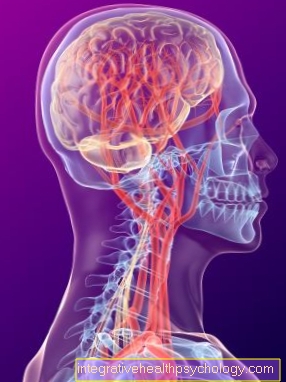
The carotid artery runs in pairs in the neck and supplies the head with oxygenated blood. It consists of the common carotid artery and the arteries arising from it, the internal carotid artery and the external carotid artery. A narrowing or
The eyelid is a muscular fold of skin that covers the eyeball immediately below. It consists of the upper and lower eyelid and contains u. a. Muscle and glandular tissue. It protects the eye through constant moisture. A
Eyelashes are appendages to the eyelids and protect the eye from foreign bodies. If the eyelashes are touched unexpectedly, the eye is reflexively closed. Ingrown eyelashes, eyelash scrubbing and madarosis can occur if the Ma
The fundus is the back part of the eyeball, which is usually not visible through the iris. It includes the retina, the optic nerve outlet, the yellow spot and various vessels.
The trigeminal nerve is the fifth cranial nerve and is divided into three branches. In addition to the sensitive care of the face, it also has motor tasks. Severe pain in the head area may indicate irritation to the nerve. Here
The visual path extends from the retina of the eyes to various areas of the brain. The most distant area of the brain lies on the back wall of the skull and thus on the head on the opposite side of the eyes.
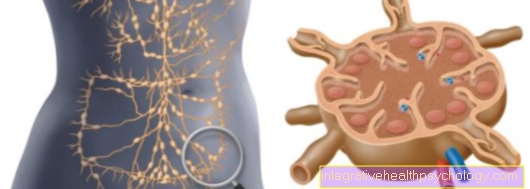
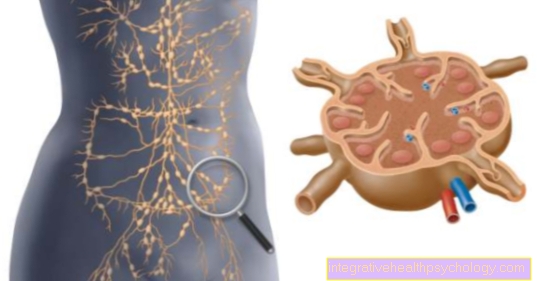
The liquid that is pressed out of the blood in the capillaries and thus gets into the tissue is drawn as a lymph. It is transported back into the blood via the lymph vessels and, in the case of infections, also contains the pathogens that pass through
The structure of the body's lymphatic vascular system corresponds to that of the blood vessel system and returns the fluid, which reaches the tissue via a pressure gradient in the capillaries, to the blood via the angle of the veins. In lymph nodes, the lymph is sensitive to pathogens
The optic nerve is the second cranial nerve and is used to transmit optical stimuli from the retina to the brain. If the nerve is damaged, depending on the area affected, the visual field may be restricted.
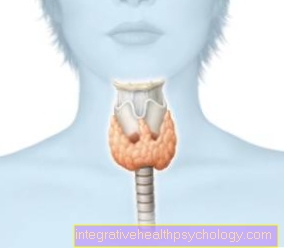
T3 and T4 are produced in the thyroid from the amino acid tyrosine. The thyroid hormones are responsible for growth, maturation and metabolism. More precisely, these hormones increase the body's energy expenditure, thereby increasing it
- your medical information portal. Here you will find information on the subject of reflexes that is understandable for laymen.
The blood-brain barrier represents a barrier between the blood circulation and the brain or the cerebral fluid (liquor). a. in keeping the composition of the nerve water constant and the sensitive nerve cells
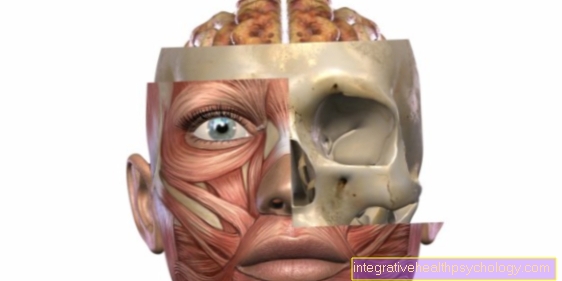
The eye socket (orbit) is the bony cavity that contains the visual apparatus. It is made up of various bones of the face and brain skull. An orbital rupture is often the result of blunt force. Common diseases of the eye are
Rods and cones are the photoreceptors in the retina in the human eye. While cones are responsible for color vision, rods differentiate very well between light and dark. Possible diseases are retinitis pigmentosa or the
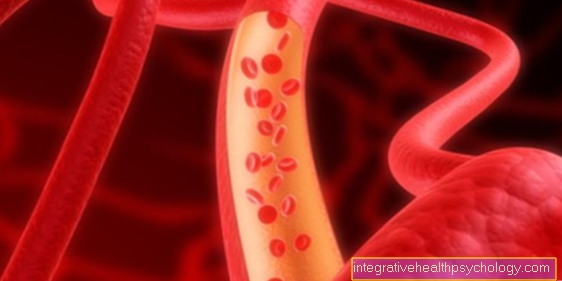
The medical information portal. Here you will find information on the subject of blood that is understandable for laymen.
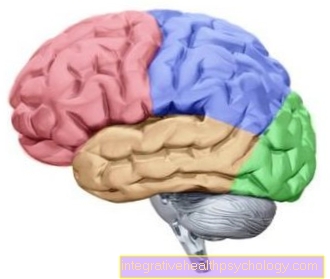
Along with the cerebellum, the diencephalon and the brain stem, the cerebrum is an important part of our brain. The cerebrum is responsible for amazing abilities like logical thinking, one's own consciousness, emotions, memory and various kinds