Category : Anatomy-Lexicon

Iliopsoas muscle

Iliopsoas muscle

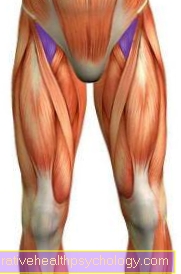
The lumbar iliac muscle (M. iliopsoas) pulls from the lumbar vertebrae through the pelvis to the lesser trochanter on the thigh bone, is the strongest flexor in the hip joint and thus the strongest antagonist of the gluteal muscles. He contracts when he stands up

strip

strip

The bar is located on the edge of the pelvis and runs diagonally from the hip bone to the genital region. Blood vessels, nerves and, in men, the spermatic cord run in the inguinal canal.

Thigh

Thigh

The thigh consists of the largest tubular bone (femur) in the human body and numerous muscles, vessels and nerves. The muscles of the thigh are used in particular for locomotion and posture when standing upright and are divided into three

The inguinal ligament

The inguinal ligament

The inguinal ligament is a thin, connective tissue structure that extends from the hip bone to the pubic bone in the genital region. It delimits the anterior layer of the abdominal muscles from below. Vessels and nerves of the pelvic and genital regions run alongside it. Inguinal

Pudendal neuralgia

Pudendal neuralgia

A pudendal neurlag is a chronic irritation of the pudendal nerve that can cause severe pain in the crotch.

Twin calf muscle

Twin calf muscle

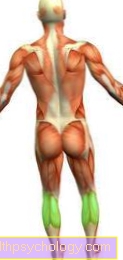
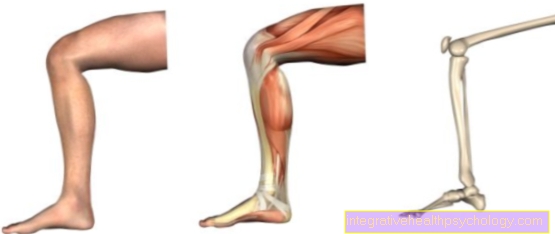
The twin calf muscle (M. gastrocnemius) is a two-headed lower leg muscle that attaches to the foot via the Achilles tendon. He is responsible for stretching the foot and tiptoe.

Normal values ​​of the joints / range of motion

Normal values ​​of the joints / range of motion

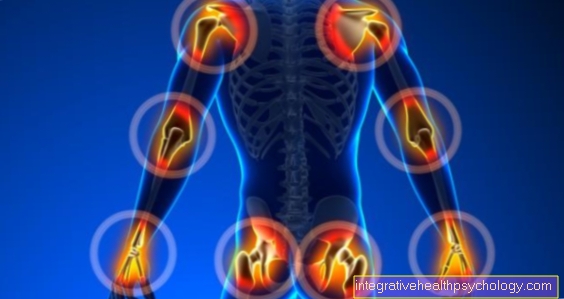
The neutral-zero method is used to document the range of motion of a joint. It is a standardized method that documents the extent of movement of a joint. The range of motion is given in degrees and can be

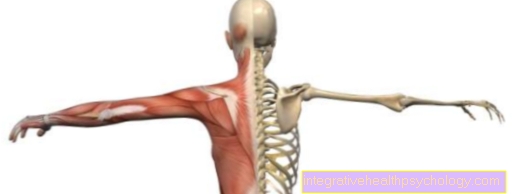
Kyphosis

Kyphosis

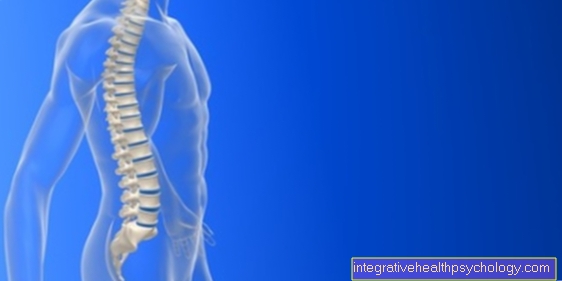
Kyphosis describes a backward curvature of the spine and is physiological in the chest and sacral areas. Pathological kyphosis is one of the most common misalignments of the spine. It is colloquially referred to as a hump and

Lordosis

Lordosis

The spine has two forward curvatures in the area of ​​the cervical and lumbar spine. The pronounced lordosis in the lumbar region is also known colloquially as the hollow back and is a common spinal column malposition

Vascular supply to the lungs

Vascular supply to the lungs

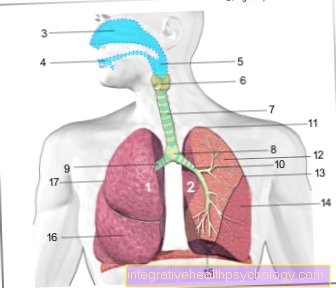
There are two types of vessels in the lungs: the lungs' own vessels (Vasa privata), which ensure that the organ itself is supplied with oxygen, and the public vessels (Vasa publica), which fill the blood with oxygen, which is used for the

Rhesus system

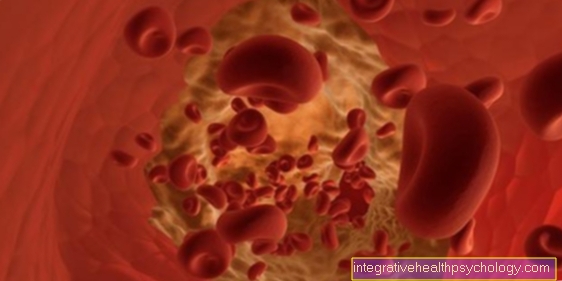
Rhesus system

the medical information portal with a lot of helpful and layman understandable information on the subject of the rhesus system.

Sentinel lymph nodes

Sentinel lymph nodes

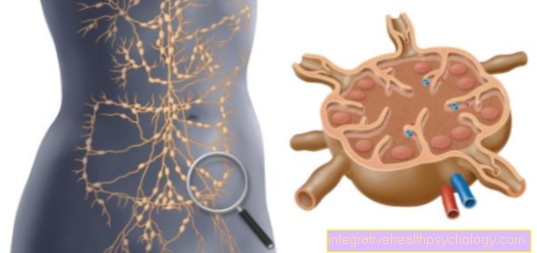
The sentinel lymph node is the first lymph node to receive blood from tumor-infected organs. If this is not yet infected with tumor cells, it can be assumed that the tumor has not yet metastasized and has therefore not become malignant

Listen

Listen

Hearing man is the most developed sense.It serves as a warning, communication and protection system for people and has a very complex process. We can recognize different tones and noises and even from a mass of tones

The male breast

The male breast

The male breast contains the complete system of the mammary glands and excretory ducts, but unlike the female breast it is infunctional; in healthy men, the breast does not produce any milk. Milk production can, however, be influenced by hormones

lip

lip

The human lips are very well supplied with blood and innervated. They play an important role in eating, as an organ of touch and in facial expressions. A very common clinical picture is an infection with the herpes simplex virus

Supraspinatus tendon

Supraspinatus tendon

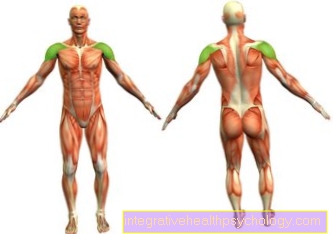
The supraspinatus tendon pulls over the head of the humerus and attaches to the humerus. It is part of the roator cuff and thus stabilizes the shoulder joint. It has a close relationship with bursae and is therefore prone to inflammation

denture

denture

The human set of teeth contains 32 teeth in healthy, adult humans. A newborn has no teeth yet, from the 6th month of life the milk teeth grow out, which fall out in childhood up to puberty and are replaced by the permanent teeth

Thyroid levels

Thyroid levels

The thyroid releases the hormones T3 and T4, which are important for our metabolism, into the bloodstream and is stimulated and controlled by the hormone TSH. If thyroid dysfunction is suspected, the TSH as well as fT3 and fT

Fungi that cause disease

Fungi that cause disease

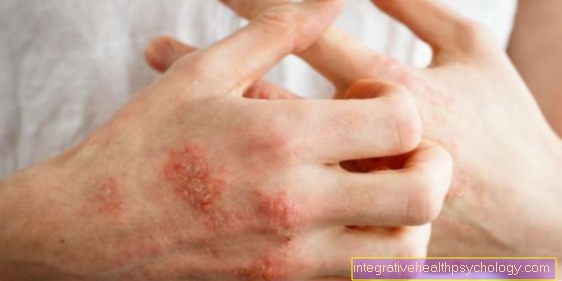
Fungi are microorganisms. If they colonize the body without an outbreak of infection, they are called commensals. However, depending on the strain, they can also cause severe infections in different organs. Particularly prone to fungal infections

Antibody therapy

Antibody therapy

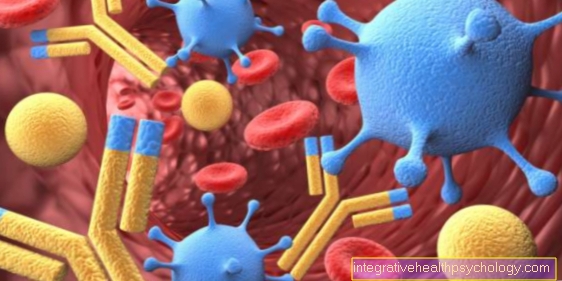
Antibody therapy is used in many different areas, such as tumor therapy and autoimmune diseases. The antibodies are specifically tailored to specific ornamental locations and research is increasing