Category : Anatomy-Lexicon

Cardiovascular system

Cardiovascular system

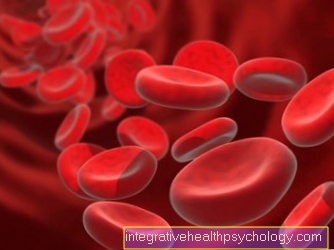
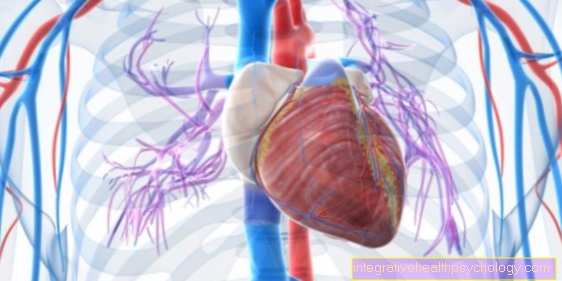
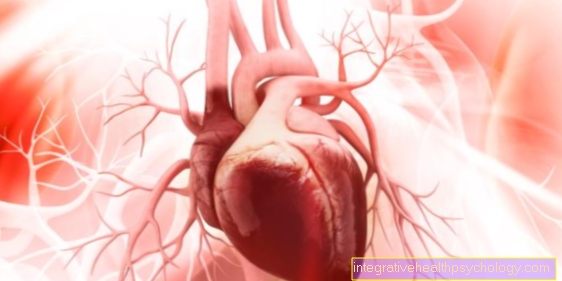
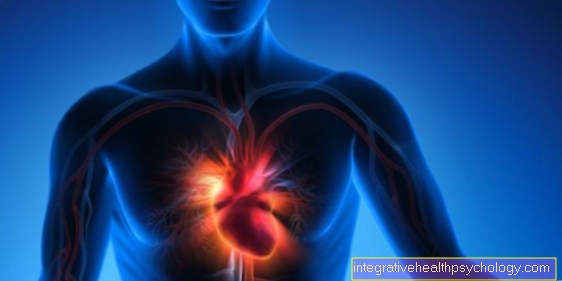
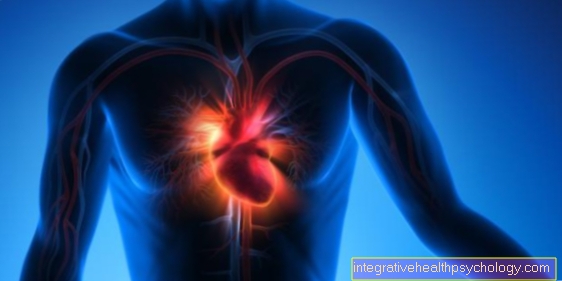
The cardiovascular system consists of the small and large circulation, which are connected in series. They are connected through the heart. The large body circulation supplies the body with nutrients. The small circulation leads through the lungs to
Mitral valve

Mitral valve

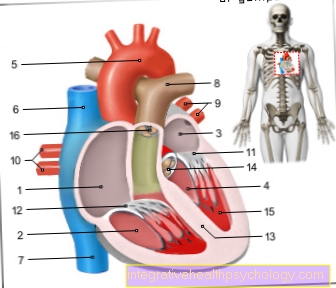
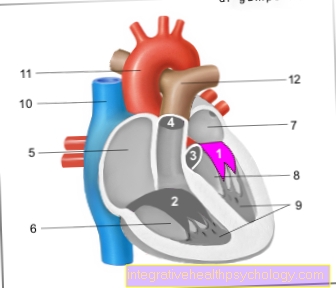
The mitral valve or bicuspid valve is one of the four heart valves of the heart and is located between the left ventricle and the left atrium. The mitral valve is a leaflet valve with two leaflets. Mitral valve stenosis is one of the diseases

The human ear

The human ear

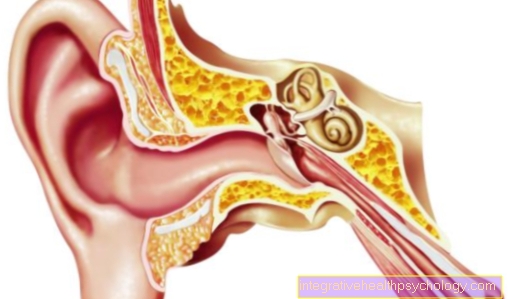
The ear is responsible for hearing and the sense of balance. It is divided into the outer, middle and inner ear, which each pick up and transmit sounds. The organ of equilibrium is located in the inner ear and measures position and movement

Right ventricle

Right ventricle

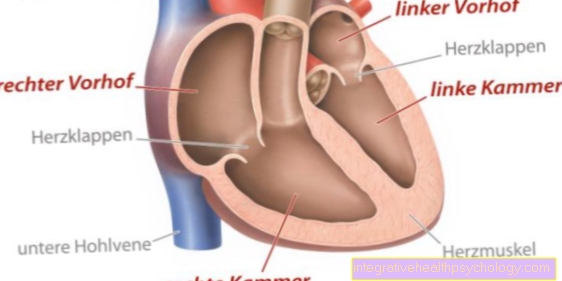
As part of the pulmonary circulation, the right ventricle is responsible for directing oxygen-poor blood into the lungs, where it is enriched with oxygen and supplied to the large body circulation via the left heart. Typical diseases are

The human eye

The human eye

The eye consists of the eyeball and the associated auxiliary devices such as eyelids, eyelashes and tear organs. The front section contains the light-refracting structures with the lens and cornea, while the rear section contains among other things

Left atrium

Left atrium

The left atrium is upstream of the left ventricle and is part of the great circulation (body circulation). From the lungs, the blood, freshly saturated with oxygen, reaches the left atrium via the pulmonary veins, that via the left ventricle and the aorta

Left ventricle

Left ventricle

The left ventricle is part of the “large” or body circulation, downstream of the left atrium (atrium sinistrum) and pumps the oxygen-rich blood fresh from the lungs via the aorta into the body's circulation, where it contains all the important structures

Digestive tract

Digestive tract

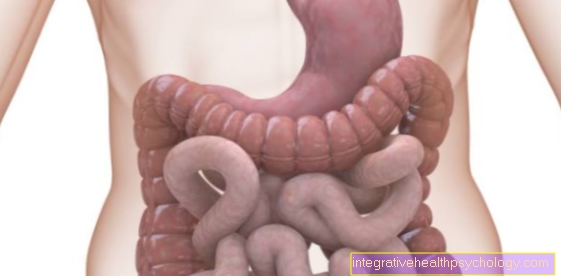
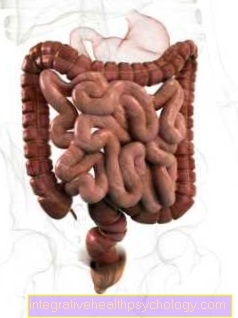
The human digestive tract consists of various organs and is responsible for the uptake, digestion and utilization of food and fluids. It is mostly divided into the upper and lower digestive tract and also as the gastrointestinal tract

Venous valve

Venous valve

Venous valves have the task of transporting blood towards the heart. These flaps usually consist of two, sometimes three crescent-shaped sails. They are needed because the blood pressure in the veins and their muscles are very low

Pericardium

Pericardium

The pericardium consists of connective tissue, surrounds the heart protectively and thus prevents the heart from expanding excessively. It consists of two layers, one lies directly on the heart and the other is slipped over this layer to allow movement

capillary

capillary

The capillaries form the transition from the arterial system to the veins. The task of the capillaries is to exchange nutrients and metabolic end products between the bloodstream and the tissue. Nutrients are added to the tissue, waste materials

The aorta

The aorta

The aorta is the main artery in humans, it is a large, elastic vessel. The heart ejects oxygen-enriched blood directly into the aorta, from where the vascular tree divides further, transporting blood to all parts of the body.

Body circulation

Body circulation

The circulatory system begins with the left ventricle, includes the arterial and venous vessels and ends with the right atrium.It is used to supply the various organ systems with blood and thus with oxygen and other nutrients.

The human eye

The human eye

The eye consists of the eyeball and the associated auxiliary devices such as eyelids, eyelashes and tear organs. The front section contains the light-refracting structures with the lens and cornea, while the rear section contains among other things

Blood vessel

Blood vessel

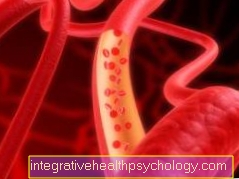
A blood vessel is a tubular organ that specializes in conveying arterial blood to the periphery of the body and venous blood to the center of the body. The total length of all blood vessels in the body is 150,000 km.

nach

nach

The opening of the intestinal canal is called the anus. He is responsible for controlling defecation. Often occurring diseases of the anus are hemorrhoids, anus burning and anus itching. In some cases, an anus needs to be preter

Rectum

Rectum

The rectum is part of the last section of the large intestine. Together with the anal canal, the rectum is used to pass stool. In the case of rectal prolapse, weakness in the pelvic floor muscles causes the rectum to fall and the anus can

stomach

stomach

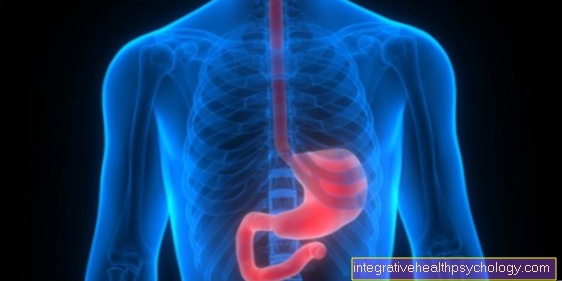
The stomach is a large bulge in the digestive tract. It connects the esophagus with the intestine and has the task of reducing, mixing and storing ingested food. In addition, the stomach produces hydrochloric acid, which the food already has

Heart muscle

Heart muscle

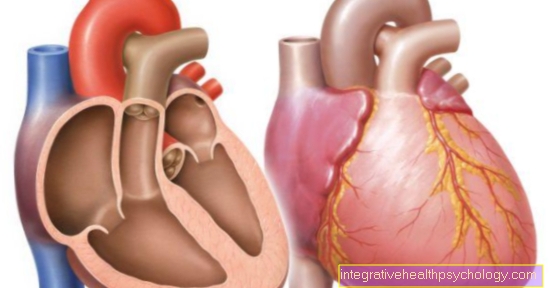
By contracting regularly, the heart muscle is responsible for ensuring that enough blood is pumped into the body to supply all organs with oxygen. Important diseases that affect the heart muscle are myocardial infarction

Glucagon

Glucagon

Glucagon is a hormone in the human body that has the task of raising blood sugar levels. It therefore acts as an antagonist to the hormone insulin. Generally speaking, glucagon is used to mobilize energy reserves by helping to empty them