liver
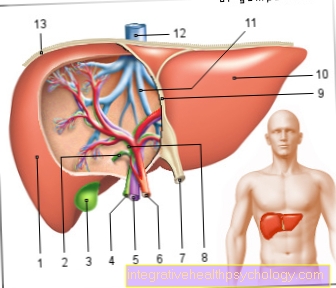
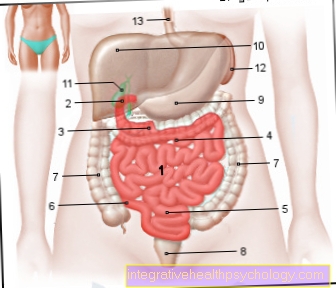
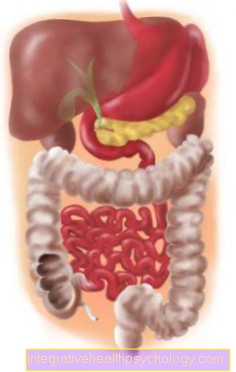
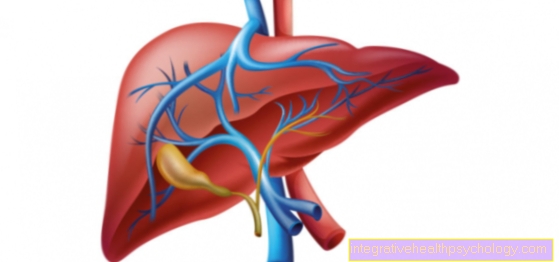
The liver is located under the diaphragm and can be palpated on the right costal arch. It weighs approx. 1 kg and is the central metabolic organ of humans and is used for the utilization of food, the provision of nutrients and detoxification

The liver is located under the diaphragm and can be palpated on the right costal arch. It weighs approx. 1 kg and is the central metabolic organ of humans and is used for the utilization of food, the provision of nutrients and detoxification
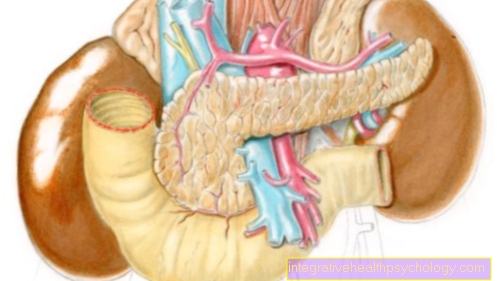
The duodenum is a part of the small intestine that joins the stomach and later merges into the jejunum. Inflammatory diseases in the form of ulcerations are found here relatively often and due to medication
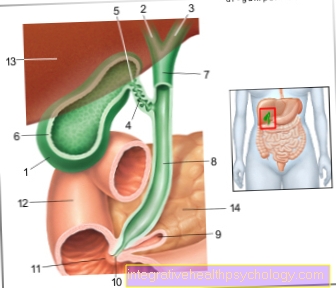
Bile is a fluid produced by the liver that is stored in the gallbladder and released after meals. It is used to emulsify fats and thus helps with digestion
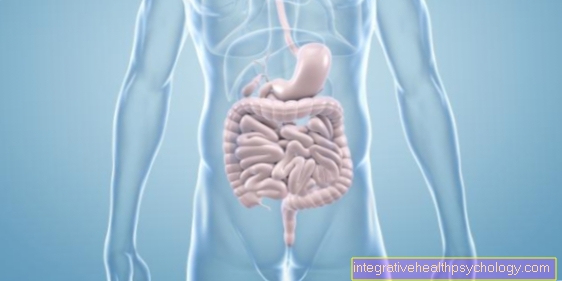
The small intestine is the section of the digestive tract that connects to the stomach. It is divided into three sections, all of which are responsible for breaking down the pulp and absorbing nutrients. Common diseases are constipation, chronic
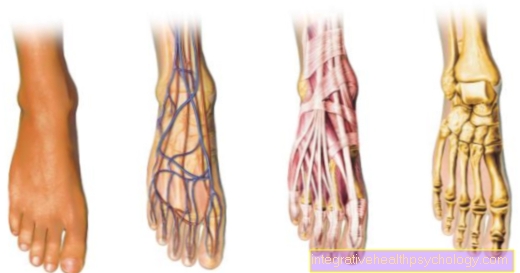
The leg is the main organ for locomotion of the human body and therefore a very important component for coping with everyday life. So that walking and standing are possible, all structures, their movements and connections must be perfectly aligned
The large intestine joins the small intestine as the last section of the digestive tract and frames it. The main task is to return fluids and minerals to thicken the stool. The large intestine is colonized with bacteria that are important
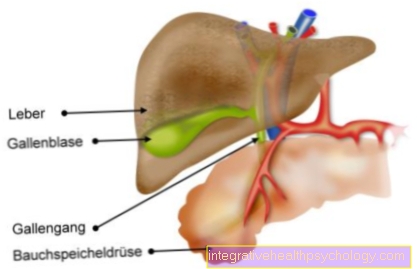
The bile duct is a duct system that connects the liver, gall bladder and pancreas. The secretions of the organs can flow through it into the intestine and digest food. Gallstones can narrow the duct and cause pain
The liver, the central metabolic organ of humans, has a multitude of vital functions: It utilizes absorbed nutrients and uses them to produce proteins and enzymes with various functions that act in many organs and
The egg cell is the female germ cell and is used to multiply and pass on the genetic makeup of the mother to the child. It happens again and again that women do not get pregnant despite the greatest efforts, so that the only way out for them is the artificial one
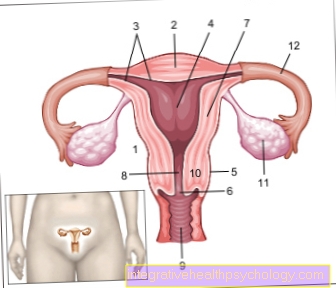
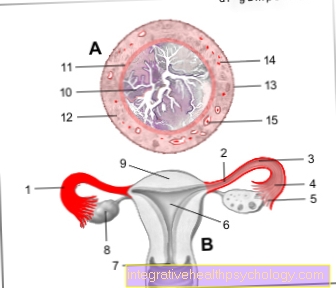
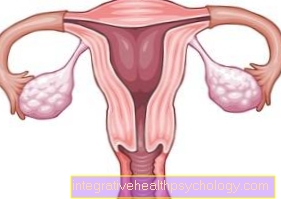
The uterus is one of the primary sex organs in women and is home to the fetus during pregnancy. It has the shape of a stretchable muscle pocket that opens into the vagina and thus through contraction at the end of pregnancy
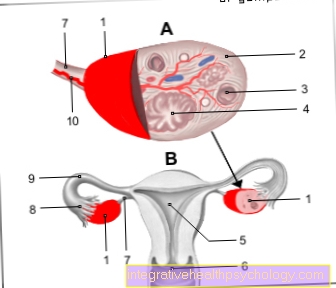
The ovaries are part of a woman's reproductive system. It is in the ovaries that egg cells mature and some hormones are produced. But it can also lead to numerous diseases such as cysts, inflammation, contortions and adhesions
Estrogen is produced in the ovaries, placenta, adrenal cortex and testicles. The estrogens as part of the reproductive hormones influence the development of the female reproductive organs. In addition, these hormones work in the process
The fallopian tubes (salpinx) are paired and represent the connection between the ovary and the uterus through which the mature egg migrates to be fertilized. An ectopic pregnancy is life-threatening and must for the mother
The woman's pair of ovaries are located to the side of the uterus in the pelvis and are important for the maturation of eggs for ovulation. Furthermore, essential hormones such as progesterone, HCG and estrogen are produced in the egg cells
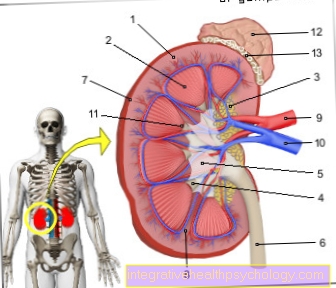
The renal pelvis connects the kidney with the ureter. Its funnel-shaped pouches directly catch the urine of the marrow so that it is immediately passed on in the renal pelvis. Inflammation of the kidney pelvis (pyelonephritis) is and will be common
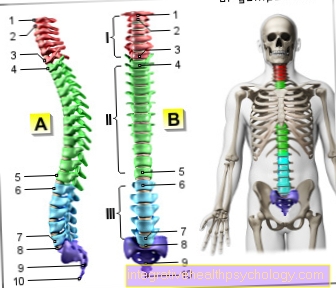
The spine is divided into cervical, chest, lumbar and sacral spine and guarantees us not only stability but also a certain degree of flexibility. The spine shows some curvatures, so-called lordoses and kyphoses, which are responsible for cushioning
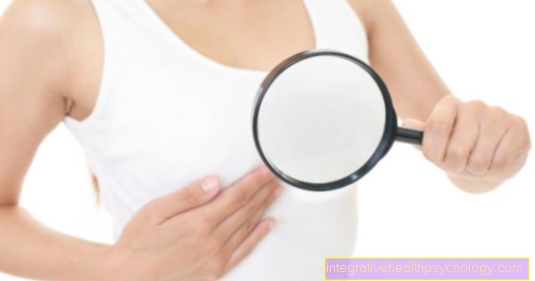
The female breast consists of adipose and connective tissue, as well as the ducts of the mammary gland. The tissue of the breast is restructured during pregnancy, most of the fat is replaced by glandular tissue. Targeted muscle building helps against
The gallbladder is a small, non-vital hollow organ that is connected to the liver via a duct system and can thus absorb the bile produced by the liver and release it after meals. There can be gallstones in the gallbladder
The female breasts are located superficially on the rib cage and consist of glandular, fatty and connective tissue. They are among the secondary sexual characteristics of women and are used to nourish infants with breast milk. Over the nipple
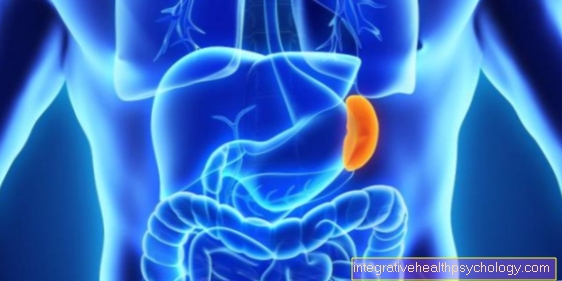
The spleen is located in the upper left abdomen. Their main function is to sort out erythrocytes (red blood cells) that are too old by migrating them through a close-knit network through which only new, flexible cells come. But it is also part of the












-braun.jpg)