Category : Anatomy-Lexicon

The foramen oval of the heart

The foramen oval of the heart

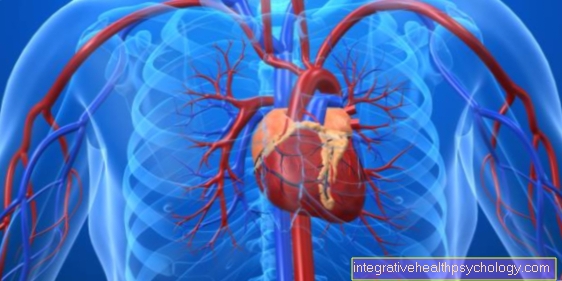
The foramen ovale arises during the heart development of the embryo. It is used to bypass the pulmonary circulation. For some people, it doesn't seal properly, which can cause problems. Read everything important about the topic here.
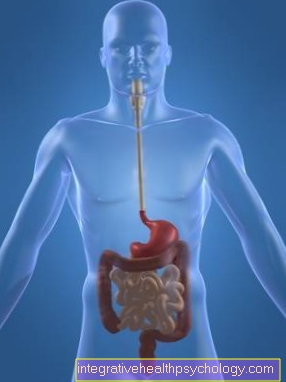
Vascular supply of the intestine

Vascular supply of the intestine

The blood supply to the individual intestinal sections is mainly ensured by the branches of the abdominal aorta, the portal vein and the inferior vena cava. The arterial blood supplies the organs with oxygen and the venous blood transports the im

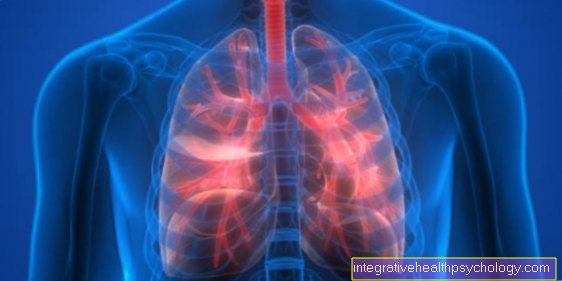
The chest breathing

The chest breathing

Chest breathing can be recognized externally by the raising and lowering of the ribs. This movement creates a negative pressure, which the air suction follows. This ventilates the lungs. Various diseases can affect chest breathing

nose

nose

The nose is one of the individual characteristics of every person. Depending on culture, age and gender, the nose can be long or snub-nosed, narrow or wide, petite or hook-shaped. All noses have nostrils, nostrils and a nasal septum

The back muscles

The back muscles

The back muscles consist of different muscle groups. A distinction is made between the autochthonous back muscles, which are placed directly on the spine, and secondary back muscles that have immigrated. The main function is to stabilize the vertebrae

Task of the appendix

Task of the appendix

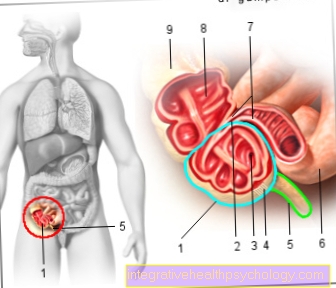
The appendix (cecum) is located in the right lower abdomen and represents the beginning of the large intestine. The appendix and its appendix (appendix vermiformis), which is colloquially often used synonymously with the appendix itself, have tasks f

Vascular supply of the stomach

Vascular supply of the stomach

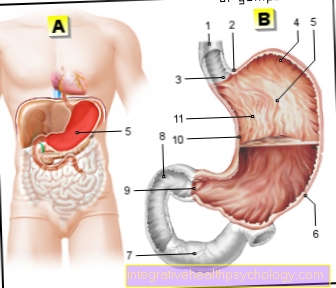
The stomach is essentially supplied arterially by the celiac trunk, which arises from the aorta. The minor curvature is supplied by the left and right gastric arteries, the major curvature by the right and left gastroomentalis arteries. The venous vessels

Tasks of the small intestine

Tasks of the small intestine

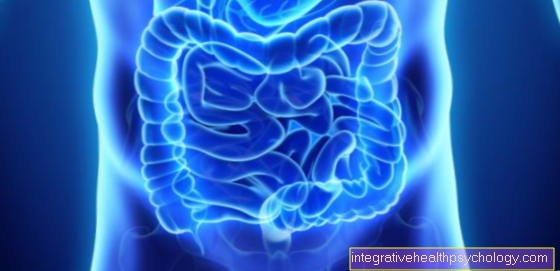
The small intestine essentially takes on the task of breaking down our food into its components and absorbing them. The numerous folds in the intestinal mucous membrane create so much space for absorbing nutrients. Hence the mucous membrane

Function of the kidney

Function of the kidney

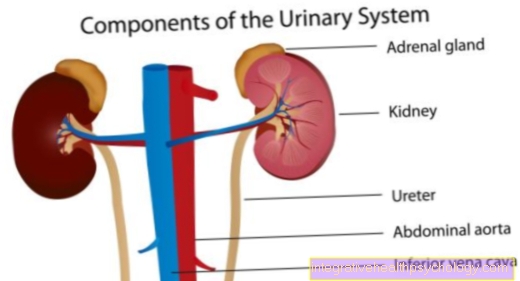
The function of the individual kidney components are very far-reaching. The most important tasks include the regulation of the electrolyte and water balance as well as the acid-base balance, the elimination of waste materials, hormone production and control

Ischium

Ischium

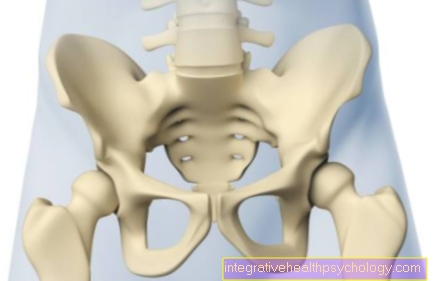
The ischium (os ischii) is part of the pelvis and, together with the pubic and iliac bones, forms the hip bone. The ischium consists of a body and an upper and lower ischial branch. It serves to stabilize the pelvic ring and as an attachment and

Tasks of the stomach

Tasks of the stomach

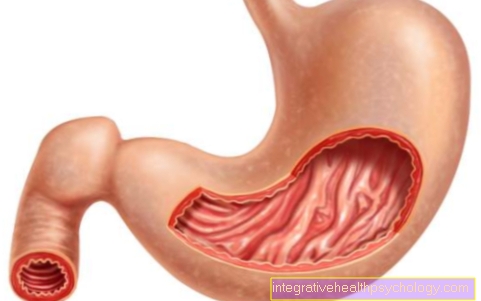
The tasks of the stomach include the chopping, mixing and storage of the food supplied. In addition, there is an extremely acidic environment in the stomach, which kills pathogens and ensures that the food is pre-digested. So he's preparing

Trigonum femoral

Trigonum femoral

The trigonum femorale (thigh triangle) describes a triangular area on the inside of the thigh. It is a visible indentation on the inside of the thigh that is just below the groin. Run through the leg triangle

Accessory bones

Accessory bones

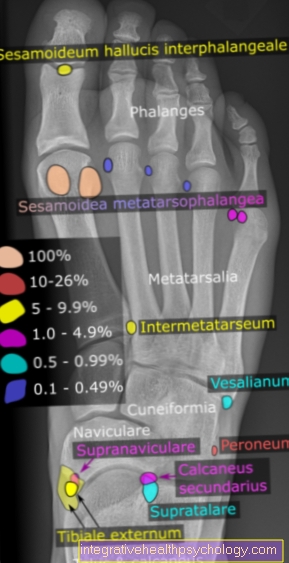
Accessory bones, i.e. additional bones that only occur in a few people, are particularly common on the hand and foot. Usually these bones are lost in the course of evolution and are no longer needed by humans

Forearm muscles

Forearm muscles

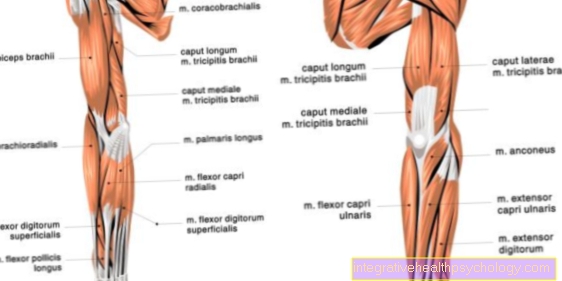
The various forearm muscles are responsible for the extension and flexion of the elbow joint as well as the precise movement of the fingers. Through targeted exercises, they can be stretched and trained well, which leads to painful cramps and mistakes

Internal oblique muscle

Internal oblique muscle

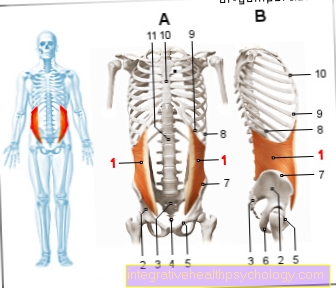
The internal oblique abdominal muscle (Musculus obliquus internus abdominis) stabilizes the trunk when lifting and carrying heavy loads. Training of the inner oblique abdominal muscle is carried out, as with the outer oblique abdominal muscle, through lateral exercises

Respiratory tract

Respiratory tract

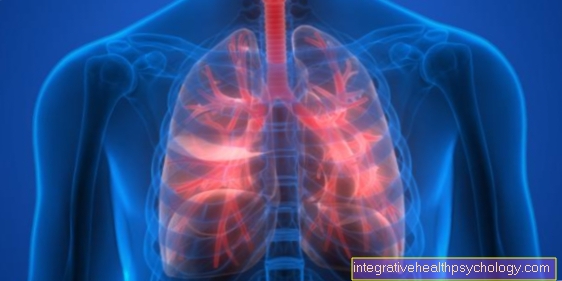
The respiratory tract includes all organs that are involved in breathing: the oral cavity, the nasal cavity, the larynx, the trachea, the bronchi and all their branches up to the alveoli. Breathing itself, i.e. the exchange of oxygen and carbon dioxide

Pubic branch

Pubic branch

The pubic branch is a large bony process of the pubic bone and represents part of the bony pelvis. Overall, the pubic bone has two pubic branches, an upper one (ramus superior ossis pubis) and a lower one (ramus inferior ossis pubis

Fibula pain

Fibula pain

Pain in the fibula is defined as an unpleasant, annoying, sometimes stabbing or pulling sensation. The fibula is located on the outside of both lower legs. The causes of fibula pain can be multiple

Delta-shaped muscle

Delta-shaped muscle

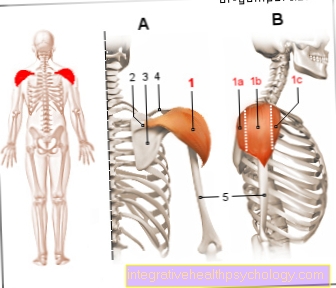
The delta-shaped muscle (M. deltoideus) completely surrounds the shoulder joint and is one of the upper arm muscles. Depending on which part of the muscle is contracting, it enables different movements: for example, lifting, splaying or splaying

Jaw muscles

Jaw muscles

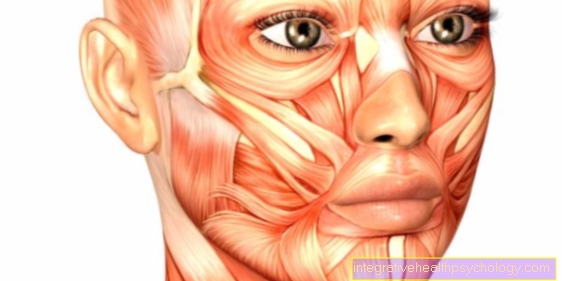
- your anatomical information portal. Lots of helpful information about the jaw muscles.