Category : Anatomy-Lexicon

Stapes muscle

Stapes muscle

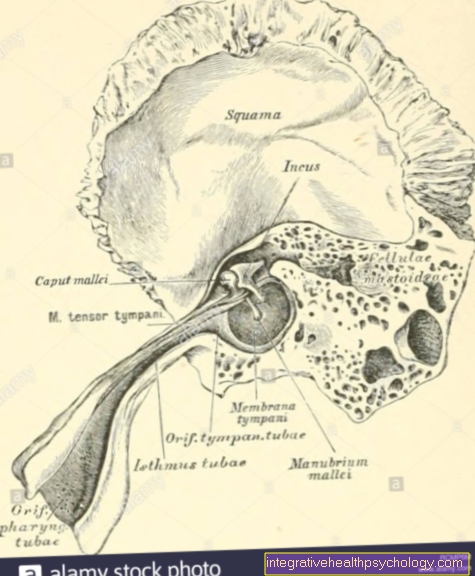
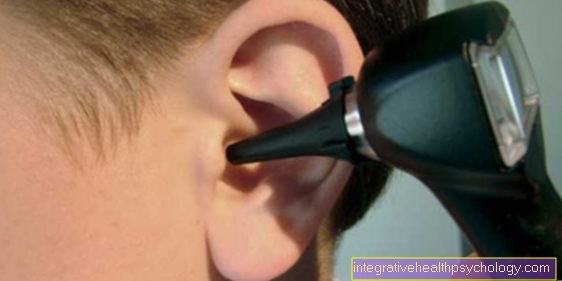
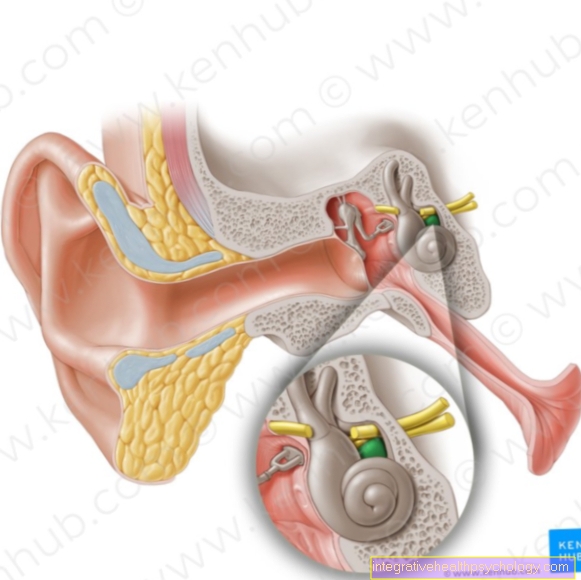
The stapes muscle (M. stapedius) belongs to the middle ear muscles. It protects the ear from excessive sound levels and especially from one's own voice. If the facial nerve, which innervates the stapes muscle, fails, it fails and the ear is
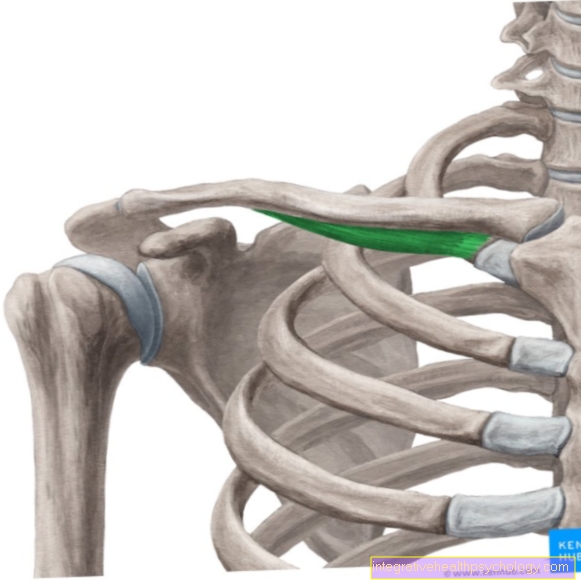
Subclavian muscle

Subclavian muscle

The subclavian muscle (M. subclavius) stabilizes the clavicle and protects the underlying vessels and nerves. When tense, he pulls down his collarbone.

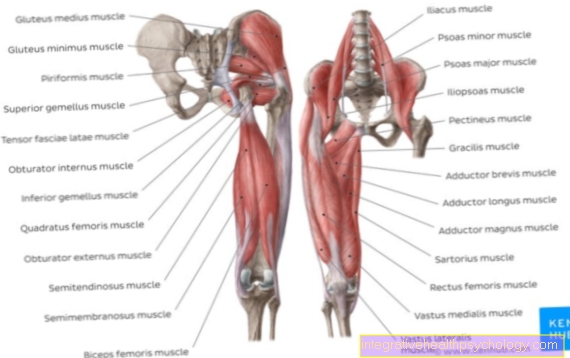
Two-headed hamstrings

Two-headed hamstrings

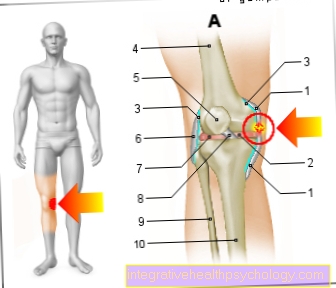
The two-headed thigh muscle (M. biceps femoris) arises on the rear thigh and rear pelvic bone and attaches to the inside of the lower leg and is one of the most important flexors in the knee joint.

Long adductor muscle (M. adductor longus)

Long adductor muscle (M. adductor longus)

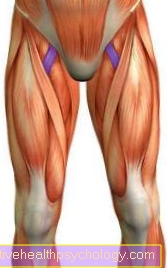
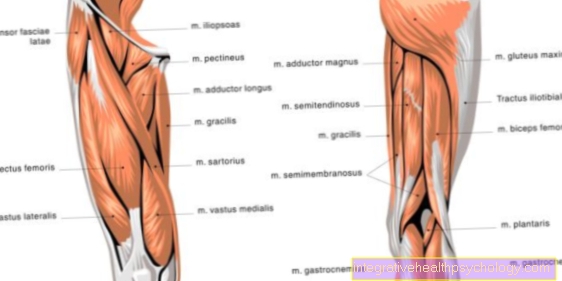
The long adductor muscle (M. adductor longus) belongs to the adductor group and runs from the pubic bone to the thigh bone. Its functions include adduction, flexion and external rotation in the hip joint. Because of its location, it is often torn from hamstring

Tensioner of the eardrum

Tensioner of the eardrum

The tensor tympani muscle is the tensioner of the eardrum and is one of the middle ear muscles. When it contracts, it pulls the malleus inwards, which tensions the eardrum and allows it to better reflect the sound. This will put the ear in front too high

Intermediate transverse process muscle

Intermediate transverse process muscle

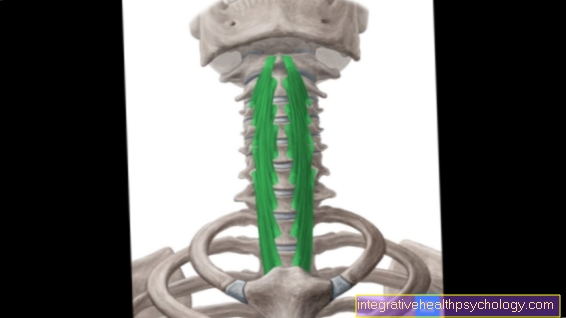
The intermediate transverse process muscles (M. intertransversarii) belong to the autochthonous back muscles and connect the transverse processes of the vertebral bodies with one another on both sides. Their function is to bend the spine to the respective side.

The quadriceps tendon

The quadriceps tendon

The quadriceps tendon is the insertion tendon of the quadriceps femoris muscle. Since the quadriceps femoris muscle is the largest muscle in the body and is essential for running movements, this tendon has a particularly heavy load and must be very resistant

Big thigh puller

Big thigh puller

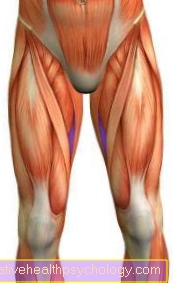
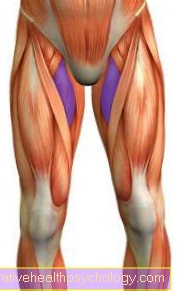
The great thigh puller (musculus adductor magnus) is the largest, strongest and deepest muscle of all adductors in the thigh. The large thigh tightener also takes over most of the adduction in the hip joint.

Alveoli

Alveoli

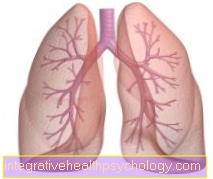
The pulmonary sacs, also called alveoli, are tiny, hollow vesicles that absorb air into the cavity and interact with the blood from outside, so that oxygen can diffuse into the blood and carbon dioxide into the air through the thin wall

Scapula lifter

Scapula lifter

The shoulder blade lifter (M. levator scapulae) arises from the transverse processes of the cervical vertebrae and attaches to the upper shoulder blade angle. Its main role, as the name suggests, is lifting the shoulder blade when contracting, as well as tilting it

Long thigh tightener

Long thigh tightener

The long thigh puller follows the pectineus muscle in the superficial layer of the thigh adductors. The function of the long thigh tightener is an adduction in the hip joint.

Pectineus muscle

Pectineus muscle

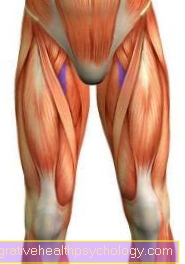
The pectineus muscle is located on the inside of the thigh and consists of a four-sided, long muscle plate. The pectineus muscle is trained in weight training using the adductor machine.

Inter-spinous process muscle

Inter-spinous process muscle

The intermediate spinous process muscles (Musculi interspinales) connect the spinous processes of the vertebral bodies to one another on the cervical and lumbar spine. They belong to the autochthonous back muscles and their function is to straighten and stabilize the

Sartorius muscle

Sartorius muscle

The sartorius muscle belongs to the thigh muscles. It lies on the front of the leg, and runs diagonally from the hip bone to the inside of the shin. Its functions include flexing the knees and hips. In addition, he can turn the leg on

short thigh tightener

short thigh tightener

The short thigh puller (musculus adductor brevis) lies below the comb muscle and the long thigh puller. The function of the short thigh tightener is an adduction in the hip joint.

Large round muscle

Large round muscle

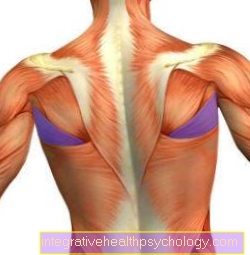
The large round muscle (M. teres major) arises on the back of the shoulder blade and attaches to the front of the upper arm. It is in the upper arm for internal rotation, adduction from the raised position and retroversion (raising the arm

Tailor muscle

Tailor muscle

The tailor's muscle (Musculus sartorius) belongs to the anterior thigh muscles. The tailor's muscle causes flexion and external rotation in the hip joint. In strength training, the tailor's muscle is not trained separately, but develops

Upper bone muscle

Upper bone muscle

The upper bone muscle (M. supraspinatus) arises in the upper bone fossa of the shoulder blade and attaches to the humerus. Its function is the lateral lifting of the arm and the stabilization of the humerus head in the joint socket. So heard

Clod muscle

Clod muscle

The soleus muscle lies on the back of the lower leg and is completely covered by the twin muscle, with which it also forms a functional unit. He is responsible for the flexion (plantar flexion) of the foot and translates

windpipe

windpipe

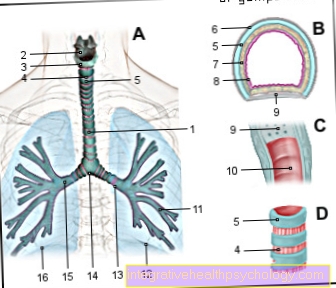
The trachea, along with the bronchi and lungs, are part of the lower airways and are responsible for breathing. It is about 10-12 cm long and runs in the neck and partly in the chest area. If there is pain in the trachea