Category : Anatomy-Lexicon

Tasks of the parasympathetic nervous system

Tasks of the parasympathetic nervous system

The tasks of the parasympathetic nervous system are increased during physical rest and consist in the activation of body functions such as digestion, for which there is time in the rest phase. In stressful situations, the body has to divide its energy sensibly and focus
diaphragm

diaphragm

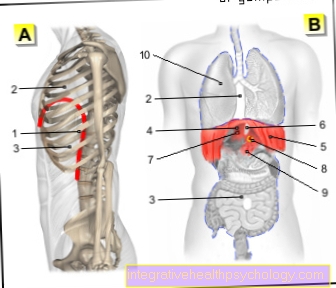
The diaphragm is the most important respiratory muscle in mammals. It is dome-shaped, attaches to the side of the costal arch and thus separates the chest and abdomen. The diaphragm has three openings for the esophagus, the main artery and the vena cava.
Hindbrain

Hindbrain

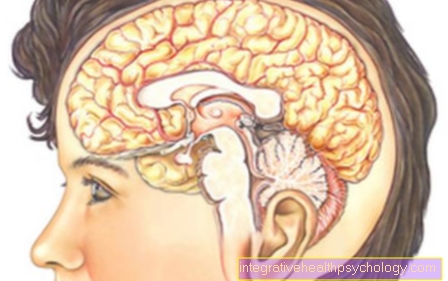
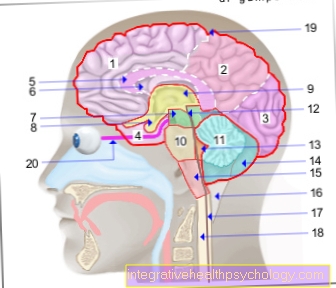
The hindbrain is part of the central nervous system and is assigned to the hindbrain, which also includes the medulla oblongata. The rear brain includes the pons (bridge) and the cerebellum (cerebellum). The cerebellum plays a big role

Tasks of the cerebrum

Tasks of the cerebrum

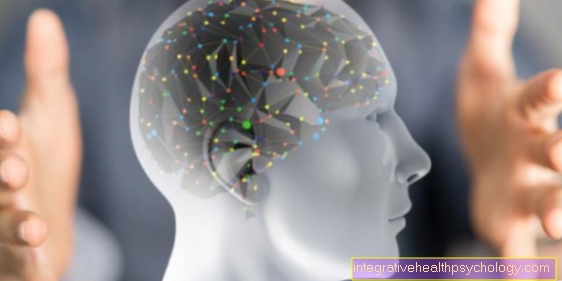
The cerebrum is the highest instance of the central nervous system, which includes the spinal cord as well as the brain. It is involved in all active thoughts and movements, processes incoming information and then produces in a targeted manner

Tibialis posterior tendon

Tibialis posterior tendon

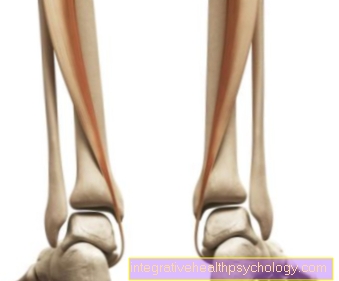
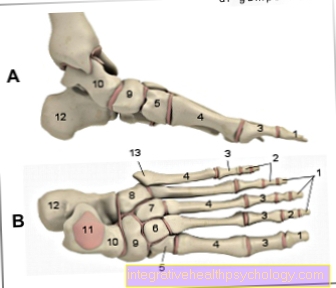
The tibialis posterior tendon connects the posterior tibialis muscle on the lower leg with the bone attachments under the foot. In the event of severe irritation or sudden severe stress, the tendon may become inflamed or tear.

The auricle

The auricle

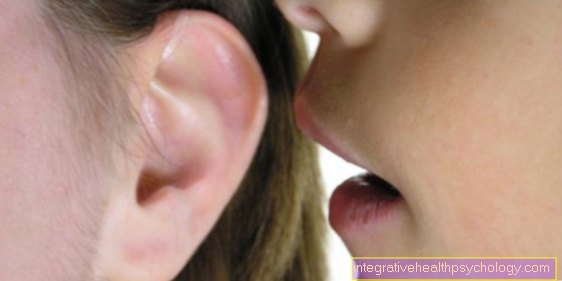
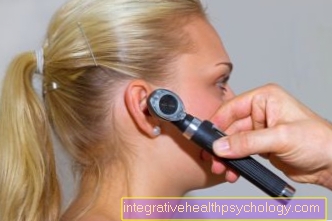
The auricle is part of the outer ear and, together with the auditory canal, represents the sound conduction apparatus. The auricle has a funnel shape that enables it to better capture sounds. Common diseases are outer ear infections

Choroid plexus

Choroid plexus

The choroid plexus is located in cavities inside the brain. Its function is to form the cerebrospinal fluid (cerebrospinal fluid) and deliver it to the ventricles.

solar plexus

solar plexus

The solar plexus is located in the abdomen at the level of the first lumbar vertebra and is a union of sympathetic and parasympathetic nerve fibers that control some internal organs. A blow in this area can lead to reduced blood flow

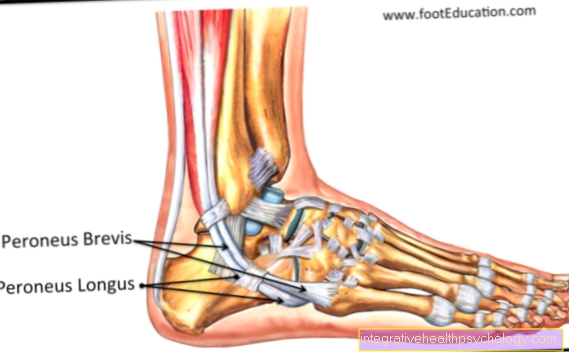
Peroneal tendons

Peroneal tendons

The peroneal or fibular tendons are the end segments of the muscle group of the same name and are primarily used for plantar flexion and pronation. A tear in one or both peroneal tendons is rare; it can occur as part of a twisting event

Cardiovascular system

Cardiovascular system

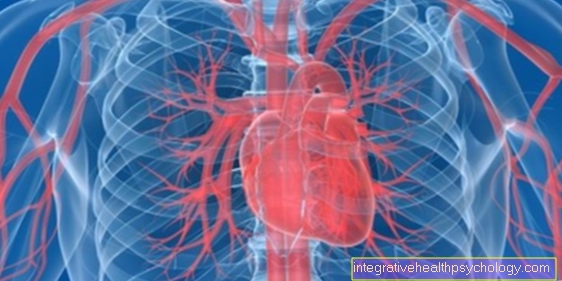
The cardiovascular system consists of the small and large circulation, which are connected in series. They are connected through the heart. The large body circulation supplies the body with nutrients. The small circulation leads through the lungs to

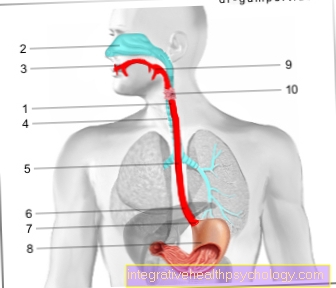
Esophagus - Anatomy, Function, and Diseases

Esophagus - Anatomy, Function, and Diseases

The esophagus is a muscle tube that connects the oral cavity and the stomach and is mainly responsible for transporting food after ingestion. There are a number of internal and surgical diseases

Pectoralis major

Pectoralis major

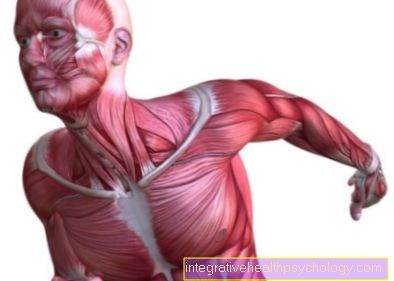
The large pectoral muscle (M. pectoralis major) arises over a large area on the chest, covers it completely and attaches to the upper arm. Its functions include adduction, anteversion and internal rotation of the upper arm. Exercising can increase its size

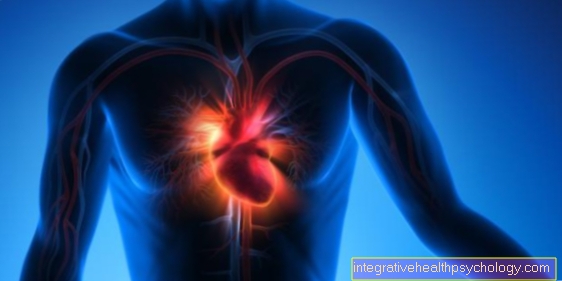
heart

heart

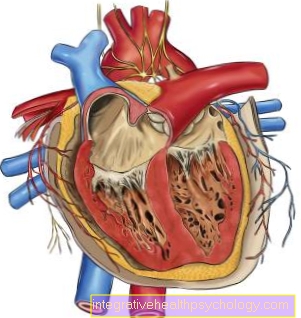
The heart (Cor) is a muscular hollow organ that is located in the chest area between the two lungs. It works like a pump that transports the blood through both the small and large circulation in the body. There are numerous diseases in the heart

The thoracic spine

The thoracic spine

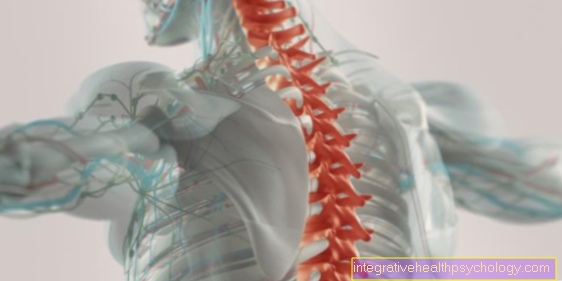
The thoracic spine is part of the spine as a whole, also known as the backbone. There are 12 thoracic vertebrae (Vertebrae thoracicae), which make up the middle part of the spine and with the ribs (Costae) and the breastbone (Sternum) the thorax

Coronary arteries

Coronary arteries

The coronary vessels supply the heart muscles with oxygen-rich blood. There are two large branches that branch out further. During a heart attack, one of the coronary arteries is blocked, which leads to a reduced blood flow to parts of the heart and

Epididymis

Epididymis

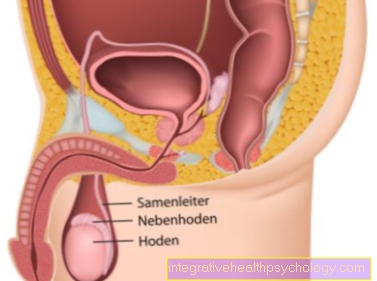
The epididymis is used for the maturation and storage of sperm cells. From here the mature sperm cells can be released into the vas deferens. The epididymis is part of the executing seminal duct. Common epididymal diseases are cysts, inflammation

Urinary tract

Urinary tract

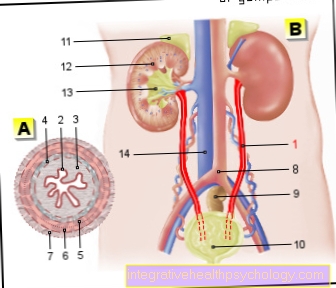
The draining urinary tract includes the renal pelvis (pelvis renalis) and ureters (ureter), which are lined by specialized tissue, the so-called urothelium. The urinary tract is often affected by bacterial diseases.

cervix

cervix

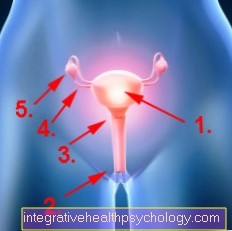
The cervix (also portio) connects the vagina with the uterus via the cervix. The sperm reach the fallopian tube through it. The HP virus can cause malignant degeneration of the cervical cells, causing cervical cancer

pelvic floor

pelvic floor

The pelvic floor forms the floor of the pelvic cavity with ligaments and muscles. It has various functions such as closing the pelvic outlet, securing the position of the pelvic organs and maintaining continence. If the pelvic floor is not exercised, it can lead to functional losses

kidney

kidney

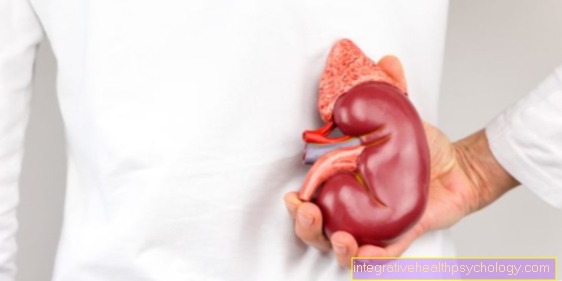
The kidney is a paired organ and has a bean-shaped shape. Their function is to filter blood and produce urine, which is intended to remove all waste from the body. There are very many diseases of the