Category : Anatomy-Lexicon

ureter

ureter

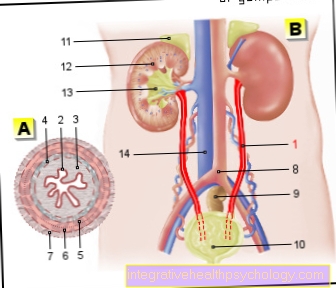
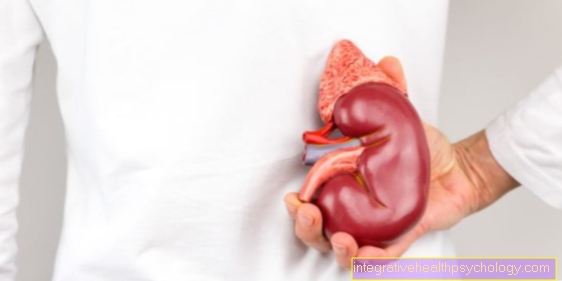
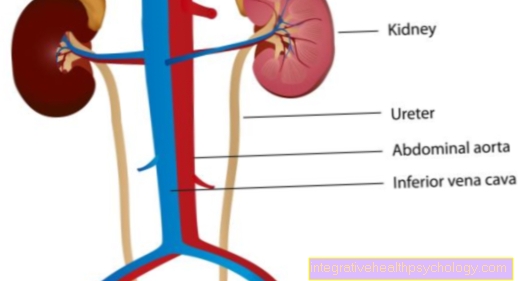
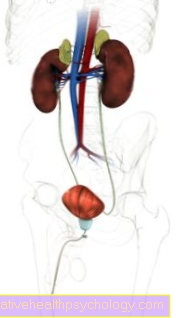
The ureter (ureter) connects the renal pelvis, which collects the urine from the kidney, with the urinary bladder. It is made up of strong muscle tissue so that the urine would be transported in the direction of the bladder even when lying down or standing on your head. Are stones in the ureter

The anatomy of the arm

The anatomy of the arm

The arm is also known as the free upper extremity and consists of the upper arm, forearm and hand. It has several joints that make it the most flexible part of the human body. Apart from the gripping and holding function, the arms are in posture

urethra

urethra

The urethra is the connection from the bladder to the outside and is the drainage point for the urine. The female urethra is shorter than the male urethra, which increases the risk of cystitis in women because the bacteria are smaller
The pancreas

The pancreas

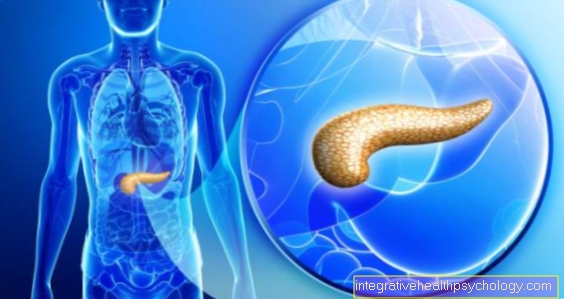
The pancreas is located in the upper abdomen between the small intestine and the spleen. Because of its appearance, the entire gland is divided into the head, body and tail. Functions of the pancreas are the production of digestive enzymes and hormones as well

bladder

bladder

The urinary bladder (Vesica urinaria) is a muscular hollow organ that is responsible for storing and emptying urine. It is located in the pelvis and grows as it becomes more and more full. Cystitis is a common disease, especially among women

Active ingredients in doping

Active ingredients in doping

Steroid hormones are hormones whose chemical structure is similar to the male sex hormone testosterone. Steroid hormones are preferred in bodybuilding for muscle building and targeted fat burning. The intake of steroid hormones is however

Female reproductive organ

Female reproductive organ

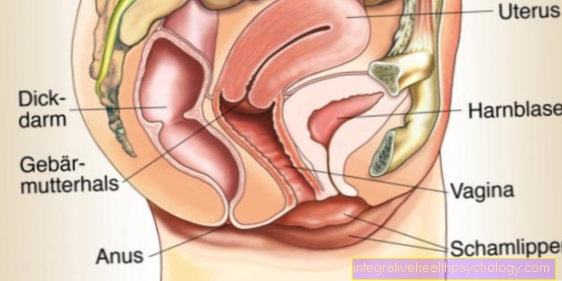
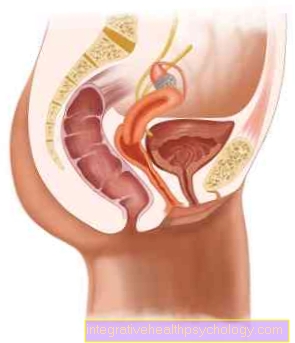
The vagina is the female sex organ. It is a 6-10 cm long connective tissue-muscular tube that reaches the uterus via the entrance to the small pelvis. It is used for sexual intercourse and, together with the uterus, for expelling the fetus

Testicles

Testicles

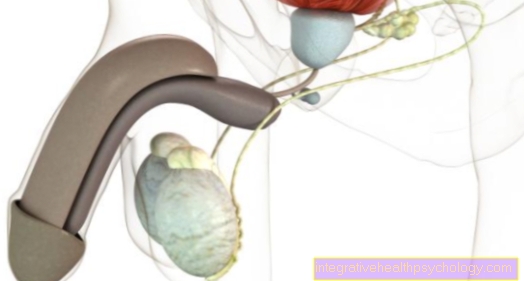
The paired testicles are part of the male sex organs. They are used to produce sperm and hormones. Together with the epididymis, the testicles are located in the scrotum. Important diseases in this area include testicular cancer and

Parathyroid

Parathyroid

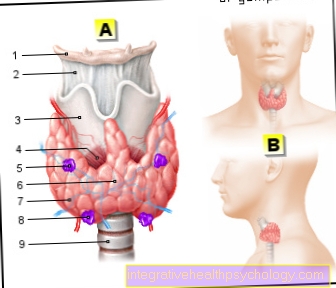
The parathyroid glands are four lens-sized glands that lie against the thyroid gland from behind. Typically, two parathyroid glands are located on the upper pole of the thyroid lobes, while the other two are located on the lower pole. Sometimes

Cornea of ​​the eye

Cornea of ​​the eye

The cornea of ​​the eye consists of several individual layers. The corneal epithelium protects the cornea and fends off germs. As part of the optical system, the cornea has a refractive power of 43 diopters. A common anomaly

Androgens

Androgens

Androgens refer to the male sex hormones. They include testosterone, dihydrotestosterone, androstenedione, and dehydroepiandrosterone. The places where these hormones are formed are in the man's testes and adrenal cortex, and in women in the ovary

Pituitary gland

Pituitary gland

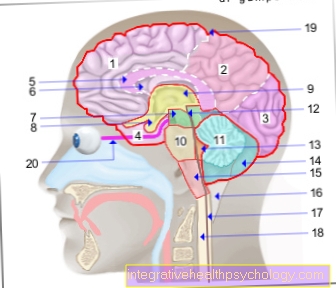
The pituitary gland is located in the diencephalon and is divided into the anterior and posterior lobes. It produces stimulating hormones which then act on various organs such as the thyroid, adrenal cortex, testes and ovaries. Rarely do benign occur

Vessels

Vessels

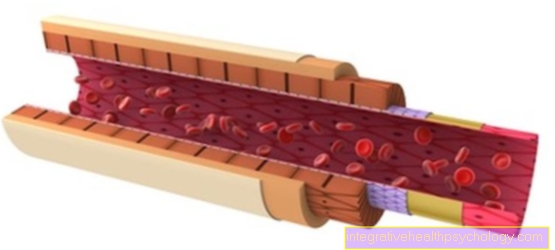
Vessels are tubes that carry body fluids through the body. The most important are the blood vessels, which can be divided into arterial (oxygen-rich blood) and venous (oxygen-poor blood), as well as the lymph vessels, which are tissue fluids

labia minora

labia minora

The labia are part of the external female sexual organs and are located to the left and right of the vagina. Their function is to protect the vagina and urethra. Viruses or bacteria can be transmitted through sexual contact

Hormones

Hormones

Hormones are messenger substances that are produced in glands or specialized cells in the body. Hormones are used to transmit information and control metabolic pathways. Each hormone has special receptors on which it acts as a signal

pupil

pupil

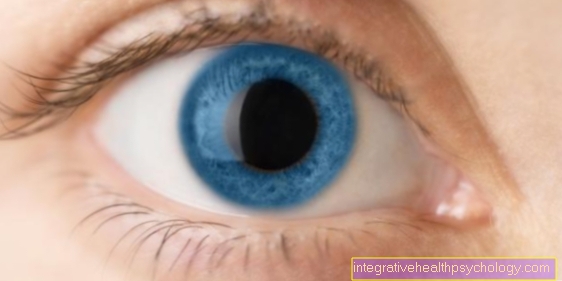
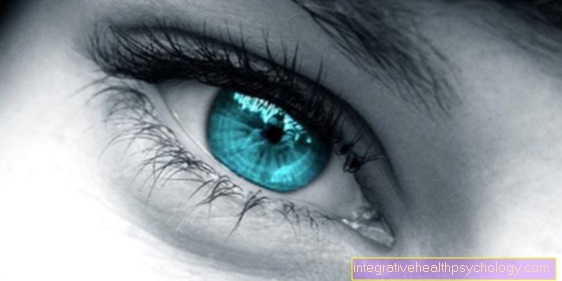
The pupil forms the black center of the colored iris. The light falls through the pupil into the inside of the eye, which then reaches the retina and is transmitted from there to the brain. The pupil is variable in size and adapts to each other

Adrenal gland

Adrenal gland

The adrenal glands are paired glands that sit on the two kidneys. Hormones for the water, sugar and mineral balance are produced in the bark, and catecholamines such as adrenaline are produced in the bark. Diseases mostly disrupt the hormonal balance

Lens of the eye

Lens of the eye

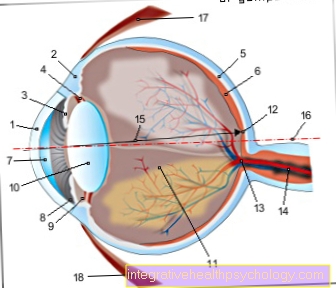
The lens is responsible for the refractive power of the eye and lies behind the pupil. The lens is actively arched or flattened over the ciliary body. In this way, the refractive power can be adapted to the various requirements. In old age they take

How does eye color come about?

How does eye color come about?

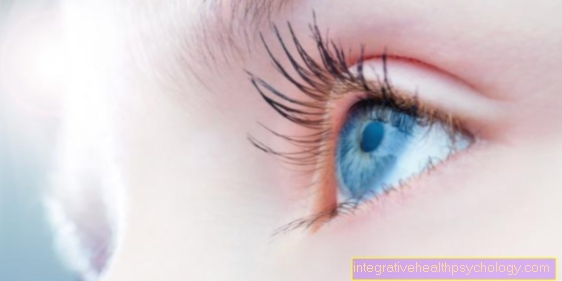
The iris appears as a colored ring around the pupil. The number of pigment cells (melanocytes) stored in the iris is decisive for the color of the eyes. With blue eyes these are absent, while with brown eyes numerous

Mineral corticoids

Mineral corticoids

The mineral corticoids are formed in the zona glomerulosa of the adrenal cortex from cholesterol via intermediate stages. The hormone aldosterone plays a central role in the fluid, sodium, potassium and acid-base balance. It has an increasing effect