Category : Anatomy-Lexicon

CNS / Central Nervous System

CNS / Central Nervous System

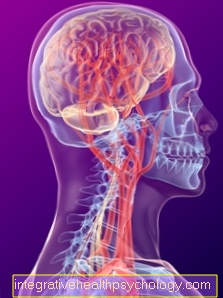
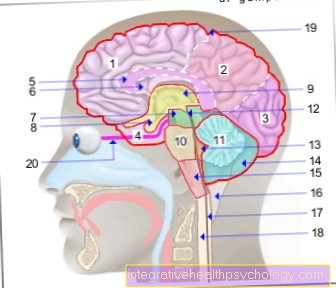
The CNS (central nervous system) consists of the brain and spinal cord and has numerous tasks such as controlling movement, thinking, learning and many more. A distinction is made between the gray matter, in which the nerve cell bodies are located, from the white

Visual center

Visual center

The visual center (visual cortex) is part of the visual system. Information from the visual pathway is processed, interconnected, interpreted and coordinated here. Disturbances in this area range from visual field defects to blindness and accidents

Diencephalon

Diencephalon

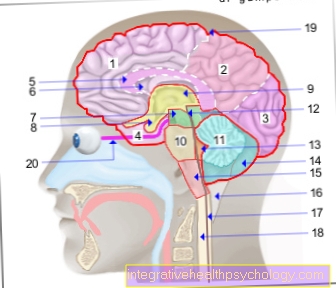
The diencephalon is a part of the brain and is located between the cerebrum and the brain stem. It consists of the thalamus, epithalamus, subthalamus and the hypothalamus. All parts have important functions such as filtering external impressions

Thumb saddle joint

Thumb saddle joint

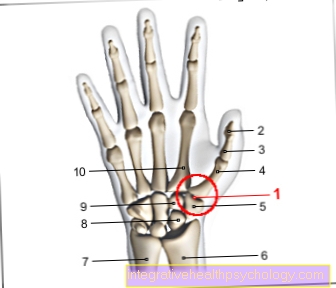
The thumb saddle joint is the joint between the large polygonal bone and the first metacarpal bone. Due to its saddle-shaped joint surfaces, it can move in two axes and it has freedom of movement similar to a ball joint. It is

Limbic system

Limbic system

The term “limbic system” is understood to be a functional unit located in the brain that primarily serves to process emotional impulses. The processing of essential components of intellectual performance are also part of the limbic system

Brain stem

Brain stem

The brain stem of the brain includes the midbrain, the bridge, and the elongated medulla that merges into the spinal cord. The brainstem of the brain is responsible for regulating vital processes such as sleep, breathing, blood pressure or urination (micturition

Function of the cerebellum

Function of the cerebellum

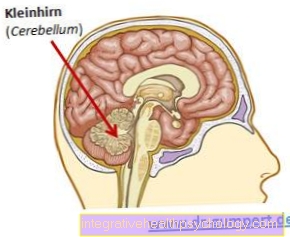
As part of the cerebrum, the cerebellum is located behind the brain stem in the posterior fossa. The cerebellum is used to control movement processes, primarily to limit movements so that they are regulated, and plays a role in f

Spinal cord

Spinal cord

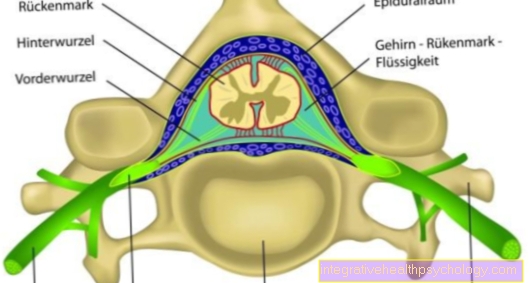
Like the brain, the spinal cord is part of the central nervous system (CNS) and is located in the spinal canal. It is for the motor (movements) and sensitive (sensations) supply of the trunk, the extremities (arms and legs) and also the neck

Anatomy Lexicon

Anatomy Lexicon

the medical internet portal. Here you will find information about the structure (anatomy) of humans that is understandable for laypeople.

Cranial nerves

Cranial nerves

The 12 cranial nerves (Nervi craniales) have their origin largely in the brain stem and are important for our sensory and equilibrium organs, eye movement and blood pressure regulation. In the event of damage to individual nerves, there are symptoms of failure of the supplying one

Intestines

Intestines

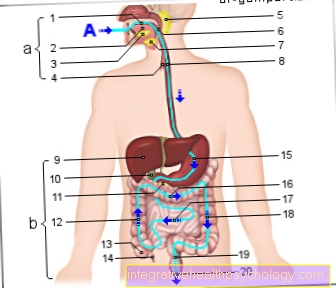
The intestine is divided into different sections. The small intestine, which is composed of the duodenum, the jejunum and the ileum, is attached to the stomach. The main task of these sections of the small intestine is the absorption of nutrients. The colon

Extended mark

Extended mark

The elongated medulla (medulla oblongata) is part of the brain stem. This is where important nerves, nerve tracts and nuclei are located, which are important for the control and transmission of information. Without them, vital functions such as breathing would be controlled

Cerebellum

Cerebellum

The cerebellum is part of the brain in the posterior fossa behind the brain stem. Anatomically, the cerebellum can be divided into two hemispheres, a central worm and the cerebellar tonsils. The cerebellum fulfills important functions

Meninges

Meninges

The meninges are made up of three layers of connective tissue that surround the brain. One differentiates the hard meninges from the spider tissue and the soft meninges. Bleeding may occur between the skins. A distinction is made between epidural, subdural and

The anatomy of the arm

The anatomy of the arm

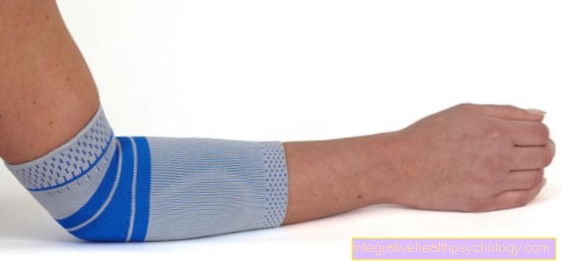
The arm is also known as the free upper extremity and consists of the upper arm, forearm and hand. It has several joints that make it the most flexible part of the human body. Apart from the gripping and holding function, the arms are in posture

Ankle

Ankle

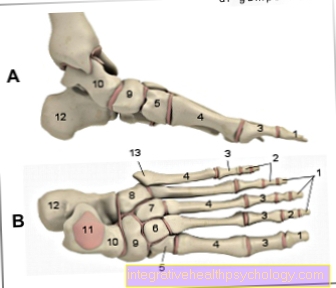
The ankle joint is a functional unit, with the upper and lower ankle joints being the two largest joints and being supported by many of the smaller joints of the metatarsal bones. Strong ligaments provide not only a strong hold, but also restrict movement

head

head

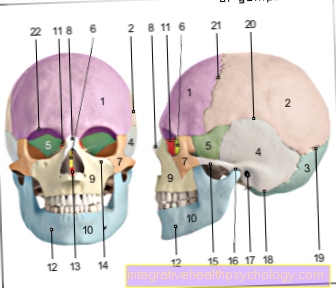
The head is connected to the rest of the body via the neck and contains all human sensory organs: the eyes, nose, mouth, ears on the face and the ears on the sides. In addition, the skull protects the brain, i.e. most of the central one

leg

leg

The leg is the main organ for locomotion of the human body and therefore a very important component for coping with everyday life. So that walking and standing are possible, all structures, their movements and connections must be perfectly aligned

The fingernail

The fingernail

A fingernail is understood to be the horny plates formed by the skin (epidermis) on the phalanges of the feet and fingers. The fingernail protects the end links from external influences and increases the sensitive tactile sensation through its abutment

Nervous system

Nervous system

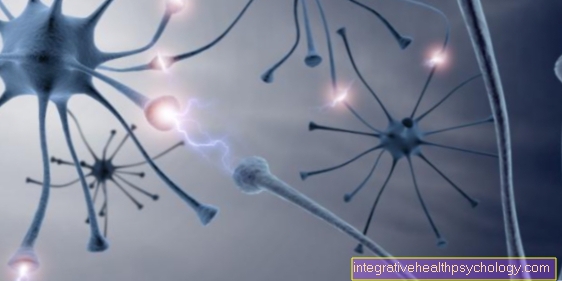
The nervous system is a superordinate switching and communication system that is present in all more complex living beings. The nervous system is used to receive stimuli, to convert, process and transmit these stimuli and to send out impulses